
The wedding day is rarely where problems begin. It is where unclear expectations tend to show up.
Most mother of the groom “mistakes” are not dramatic, and they usually are not intentional either.
They happen when no one has clearly said what the day will look like, who is handling what, or where your role fits in once the wedding actually begins.
This is not about criticism or a list of old-fashioned rules.
It is about making the day easier for everyone, including you.
Below, what not to do, why it creates stress, and what works much better instead.
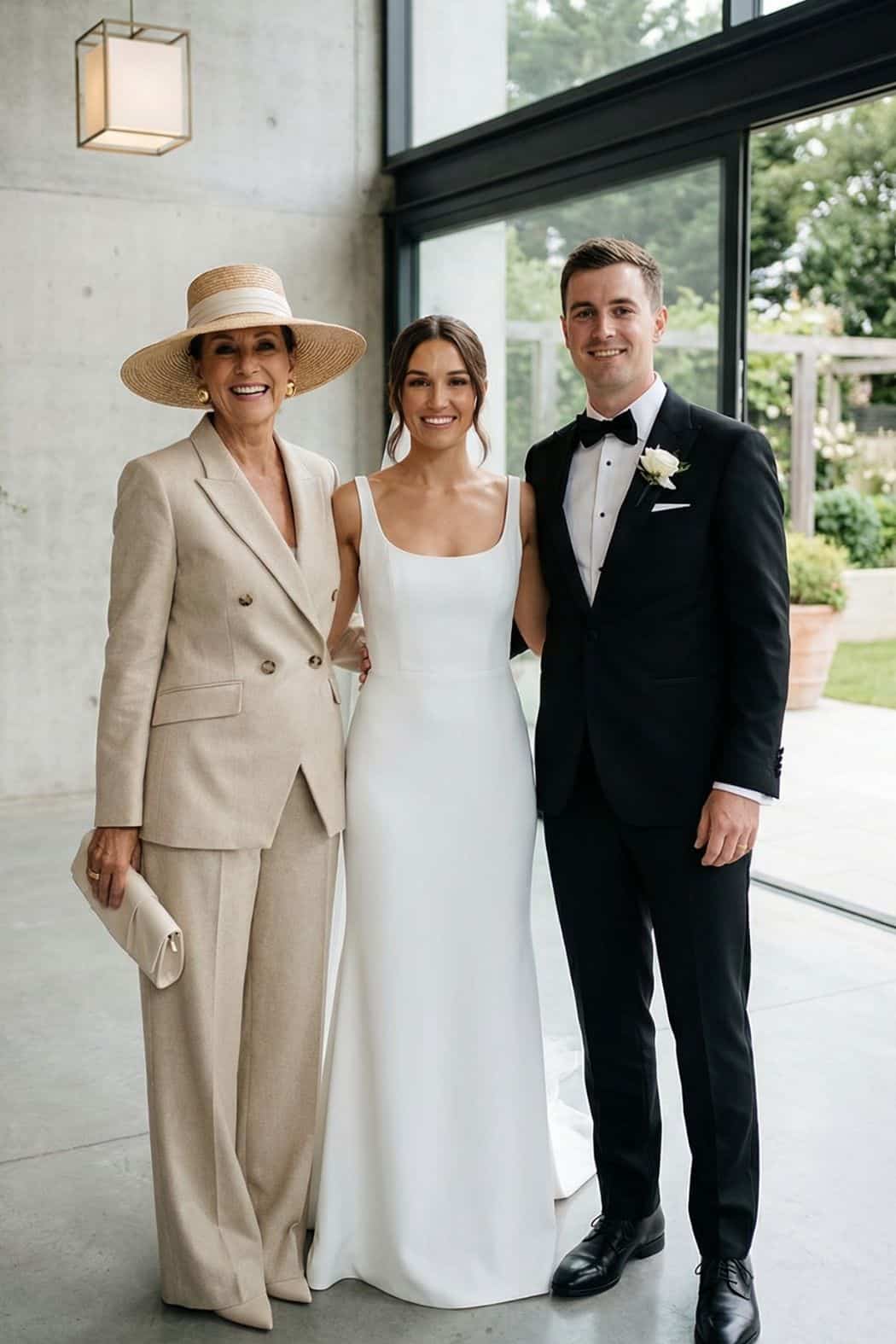
The Role Shift Most People Don’t Expect
One of the biggest disconnects on a wedding day is this: planning mode and wedding day mode are not the same thing.
During planning, there may have been discussions, opinions, decisions, questions, and updates.
On the actual wedding day, that phase is over. The big choices have already been made. Vendors are booked. The timeline is set.
The structure is in motion.
That means your role shifts too.
On the day itself, the most helpful role is not input. It is support.
That does not make your role smaller. It makes it clearer. You do not need to be chasing details, checking every choice, or trying to make things run better. In fact, that is usually what creates tension.
The smoothest wedding days happen when fewer people are trying to manage them.

The Mistakes That Actually Cause Stress
These are the things that tend to create pressure fast, even when they come from a good place.
1. Trying to Step Into Planning Mode
This often shows up as last-minute opinions, questioning decisions, or suggesting changes once the day is already moving.
That might look like:
- asking whether the seating plan can still be adjusted
- suggesting a change to the ceremony setup
- commenting that something should have been done differently
- raising outfit, decor, or timing concerns on the morning of the wedding
Why it causes issues:
At that stage, there is usually nothing helpful the couple can do with that information.
It adds mental load, creates second-guessing, and can make them feel like they now need to manage your feelings as well as their own day.
What to do instead:
Trust the plan and let it run. Even if something is not exactly how you would have done it, the wedding day is not the time to review decisions.
Assume there is a reason for the way things are being handled and focus on being steady, warm, and easy to be around.
A good mindset is: if it is not urgent and actionable, it does not need to be said today.
2. Asking the Couple Questions All Day
Couples get pulled in every direction on their wedding day. Even small questions can become draining when they stack up.
This includes things like:
- “Where am I meant to be now?”
- “Do you want me to sit here or there?”
- “When are the photos?”
- “Should I speak to the caterer?”
- “Have you seen your aunt?”
Why it causes issues:
Every question pulls them back into logistics when they are trying to stay present.
It also interrupts key moments, whether that is getting ready, greeting guests, taking photos, or simply having a second to breathe.
What to do instead:
Before the day, find out who the point person is. That might be the planner, coordinator, venue contact, maid of honor, best man, or another family member who has been given that role.
On the day, direct practical questions there first.
If no one has clearly named a point person, ask before the wedding, not during it.
3. Trying to Fix Things Yourself
This is one of the most common well-meaning mistakes.
You notice something looks off, someone seems late, a supplier appears confused, or a family member is getting difficult, so you step in and try to sort it out.
Why it causes issues:
The problem is not always the instinct to help. It is that stepping in without knowing the full plan often creates a second layer of confusion. Vendors may already have instructions. The couple may have made a choice you do not know about. Another person may already be handling the issue.
Trying to “take over” can accidentally disrupt the people who are actually managing the day.
What to do instead:
If something genuinely needs attention, quietly tell the right person.
That usually means:
- the planner or coordinator
- the venue team
- the person handling family logistics
- the designated wedding party contact
Flag it once, clearly, and then step back.
Helpful on a wedding day does not mean solving everything yourself. It often means knowing when not to.
4. Running Late or Being Unprepared
This sounds obvious, but it affects far more than your own schedule.
If you are late to hair and makeup, photos, transport, or the ceremony, it has a ripple effect.
If you are not ready when needed, someone else has to come and find you.
If you have not checked where to go or what time to arrive, the couple often ends up absorbing that stress.
Why it causes issues:
Wedding timelines are tighter than they look. A 10-minute delay can affect portraits, transport, ceremony start time, or how relaxed the morning feels.
What to do instead:
Know your exact timings in advance.
Confirm:
- where you need to be
- what time you need to arrive
- when photos start
- whether you are traveling separately or with others
- whether you are expected anywhere immediately after the ceremony
Also make sure you have what you need with you early in the day so you are not creating last-minute problems.
That includes basics like:
- shoes you can actually stand in
- your outfit fully steamed and ready
- any accessories packed
- tissues, lipstick, glasses, medication, phone charger if needed
Reliable and ready is one of the most valuable things you can be.
5. Making Emotional or Loaded Comments
Weddings are emotional, and of course it is normal to feel that. The issue is not having feelings. It is how they are expressed on the day.
Comments like:
- “I’m losing my son”
- “Everything is changing now”
- “I suppose I’m not needed anymore”
- “This all feels a bit much”
- “I’m just staying out of the way”
can shift the mood quickly, even if they are said jokingly or in passing.
Why it causes issues:
Comments like this can place emotional pressure on the groom, the couple, or the wider family. They can also create guilt in moments that should feel light, calm, and celebratory.
What to do instead:
Keep your language supportive, warm, and emotionally steady.
If you feel emotional, that is completely fine. Express it in a way that adds love rather than weight.
For example:
- “You both look amazing”
- “I’m so happy to see this day here”
- “Everything feels so special”
- “I’m really proud of you”
That kind of energy supports the day instead of complicating it.
6. Assuming You Should Be Included in Every Moment
Being the mother of the groom does not automatically mean you will be included in every part of his wedding day.
Do not assume you will:
- get ready with the groom or enter his getting-ready room
- see him privately before the ceremony
- join a first look or other planned moment
- appear in every family photograph
- give a speech or reading
- have a mother-son dance
- spend extended time alone with him during the reception
Every couple structures these moments differently, and some traditions may not be part of the wedding at all.
Why it causes issues:
Turning up uninvited, requesting extra photographs or asking the groom to create a special moment at the last minute can disrupt the schedule. It may also leave him feeling that he must change the plans or reassure you when his attention is already divided.
What to do instead:
Before the wedding, confirm where you need to be, which photographs include you and whether you have any formal role.
If you would value a quiet moment or particular photograph with the groom, mention it before the wedding rather than trying to arrange it during a busy part of the day.
On the day, follow the photographer’s or coordinator’s directions and allow planned moments to happen without extending or interrupting them. If something has not been included, do not automatically treat it as a personal slight. It is usually simply how the couple has chosen to structure their day.
7. Drawing Attention With Outfit or Behaviour
This is not about dressing in a dull way or making yourself invisible.
It is about reading the room and matching the tone of the event.
Problems usually come from outfits or behaviour that feel out of step with the wedding rather than simply stylish.
That can include:
- wearing something much more dramatic than the event itself
- wearing white, ivory or a distinctly bridal-looking outfit without the couple’s clear approval
- ignoring the stated dress code
- drinking too much too early
- becoming loud, theatrical, or overly attention-seeking
Why it causes issues:
It pulls focus in a way that can feel jarring and can create unnecessary conversation on a day where the attention should stay with the couple.
What to do instead:
Aim to feel polished, appropriate, and comfortable.
Before the day, make sure you understand:
- the overall dress code
- the formality level
- any colour preferences the couple has shared
- The mothers do not need to match, but any colour requests or expectations should be settled before the wedding day.
The goal is not to disappear. It is to look like you belong beautifully in the day they created.
8. Creating or Engaging in Family Tension
Wedding days can bring together people with long histories, unresolved feelings, awkward dynamics, and strong personalities. Small comments that might usually be brushed off can land much harder in a wedding setting.
Why it causes issues:
The emotional temperature is already high. One comment about an ex, a relative, Their partner’s family. money, or old disagreements can quickly affect the atmosphere far beyond that single moment.
What to do instead:
Keep things neutral, calm, and socially easy.
That means:
- do not bring up old issues
- do not gossip
- do not comment on who should or should not be involved
- do not make comparisons
- do not draw the couple into family politics on the day
If someone else is difficult, resist the temptation to match their energy. One calm person can stop a lot from escalating.
9. Ignoring Unplugged or Photo Guidelines
Many couples now set clear expectations around phones, posting, and photos. Some want a fully unplugged ceremony. Others are happy for guests to take photos but do not want anything posted before they share their own.
Why it causes issues:
Ignoring this can spoil professional photos, distract from the ceremony, or take away the couple’s chance to share their wedding on their own terms.
What to do instead:
Follow their preferences fully, even if they are different from what you would do.
That includes:
- keeping your phone away during the ceremony if asked
- not stepping into aisles for photos
- not posting images before the couple does
- not sharing private getting-ready or emotional moments without checking
A good rule is simple: if they have given guidance, follow it exactly.
10. Making an Unplanned Speech or Announcement
Being the groom’s mother does not automatically mean you will be invited to give a speech. Speeches are normally agreed in advance so they can be included in the timeline and coordinated with the venue, caterer or entertainment.
Problems can include:
- unexpectedly taking the microphone
- assuming there will be an opportunity to speak
- sharing embarrassing childhood stories
- mentioning former partners
- making jokes or comments about grandchildren
- announcing a pregnancy, engagement or other family news
- turning an agreed short toast into a much longer speech
Why it causes issues:
An unexpected speech can delay the meal, interrupt the planned order and put the couple or wedding team in the awkward position of having to stop you.
The content can also cause problems. A story that feels affectionate to you may embarrass the groom or his partner, while jokes about grandchildren can create pressure around a deeply personal subject. Announcing other family news takes attention away from the couple and should never happen without their clear permission.
What to do instead:
Confirm before the wedding whether you are expected to speak, how long you have and whether the couple has placed any limits on the content.
Prepare what you want to say rather than relying on the moment, and keep to the agreed length. Avoid former partners, private family matters, relationship advice and jokes that depend on embarrassing either member of the couple.
If you have not been asked to speak, do not take the microphone or ask the DJ, band or venue team to create an opportunity. You can still share a few meaningful words with the couple privately without turning them into a public announcement.
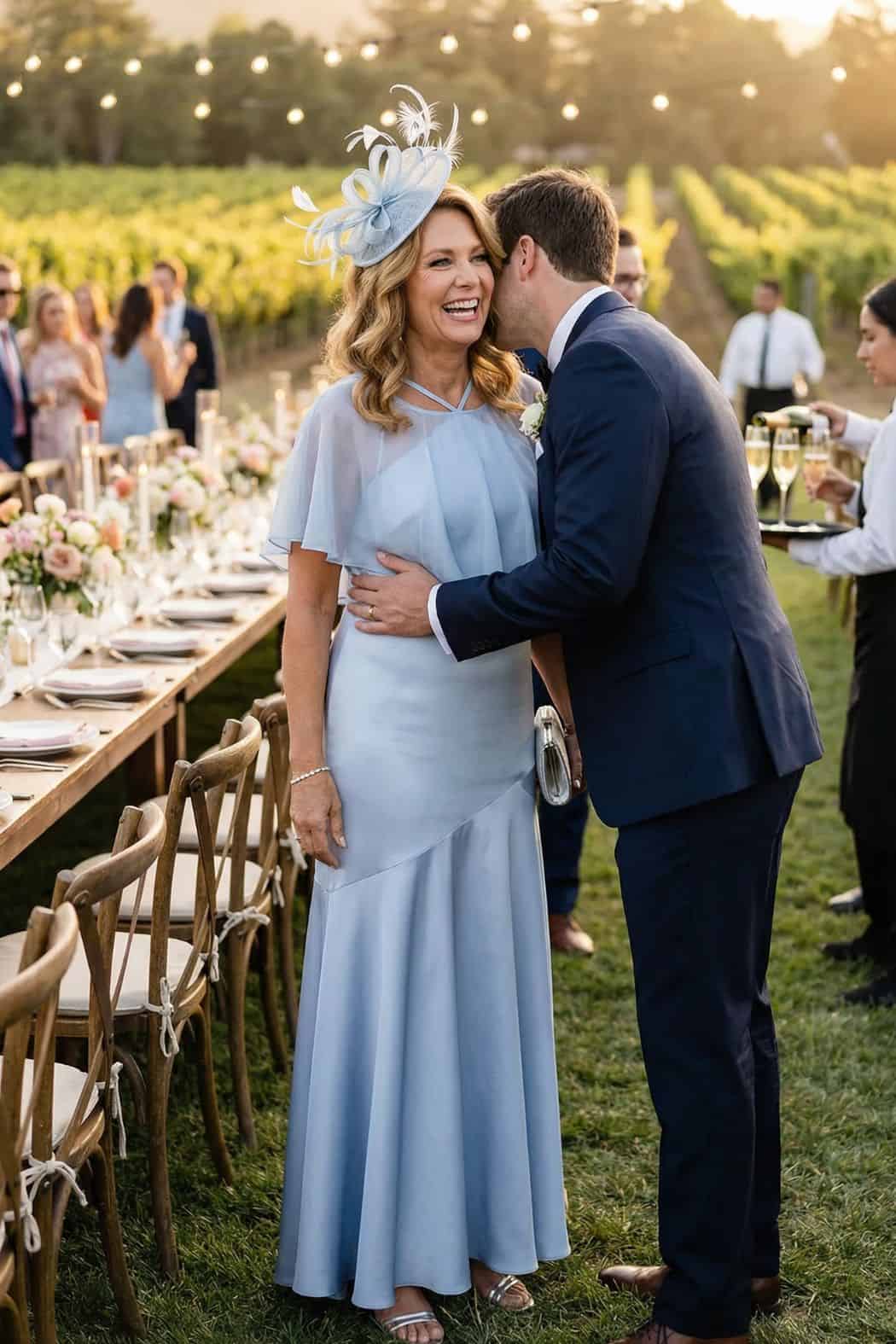
What a Helpful Mother of the Groom Can Do on the Wedding Day
Avoiding the mistakes above does not mean making yourself invisible or spending the wedding worried about doing the wrong thing.
The mother of the groom can still have a meaningful presence without taking responsibility for running the day.
Once any formal duties are handled, your role is largely about helping people feel welcome, supporting the relationships around you and allowing yourself to enjoy the celebration.
Be a familiar face for your side of the family
Some of the groom’s relatives may arrive knowing very few people outside their own family.
You can make the day feel more comfortable by greeting them, helping them settle in and including anyone who appears unsure or on their own.
This is particularly helpful for older relatives, guests who have travelled a long way or family members attending without a partner.
You do not need to become their personal organiser, but being a warm and familiar face can help everyone settle into the day.
If relatives come to you with practical questions, you can point them towards the venue team or the person managing the wedding rather than sending them directly to the couple.
Help the two families feel connected
A wedding may be the first time some members of the two families have properly met. Making introductions and starting easy conversations can help the reception feel like one celebration rather than two separate groups of guests.
Take time to speak to the couple’s other parents, close relatives and friends. Introduce members of your family where it feels natural, and avoid spending the entire reception only with people you already know.
You do not have to force closeness or create a performance of two families becoming one. Small gestures of warmth and interest are usually enough.
Make the couple’s partner feel equally celebrated
It is natural to feel especially emotional about seeing your own child get married, but the day is about both members of the couple.
Congratulate their partner warmly, acknowledge the work they have both put into the wedding and speak about them as a couple rather than focusing only on the groom.
This can be as simple as offering a genuine compliment, checking that you have spoken to them during the reception or telling them how happy you are to welcome them into the family. These small moments often mean far more than a grand public gesture.
Be available without hovering
You do not need to follow the groom throughout the day or continually ask whether he needs anything. Equally, you do not have to disappear because you are worried about intruding.
Be present, approachable and easy to find, then allow the day to unfold. If the groom wants a quiet conversation, a photograph or a few minutes with you, there will be space for that without needing to manufacture the moment.
This balance allows you to remain an important part of the day while still giving the couple room to experience it in their own way.
Let yourself enjoy the wedding
One of the most supportive things you can do is visibly enjoy the celebration the couple has planned.
Talk to guests, eat the meal, join the dancing and take in the moments happening around you. You do not need to spend the reception monitoring the room, checking whether everything is running correctly or waiting for another responsibility.
The couple will usually be far happier seeing you relaxed and enjoying yourself than watching you spend their wedding trying to be useful. Your role is not only to support the day. You are also there to celebrate it.
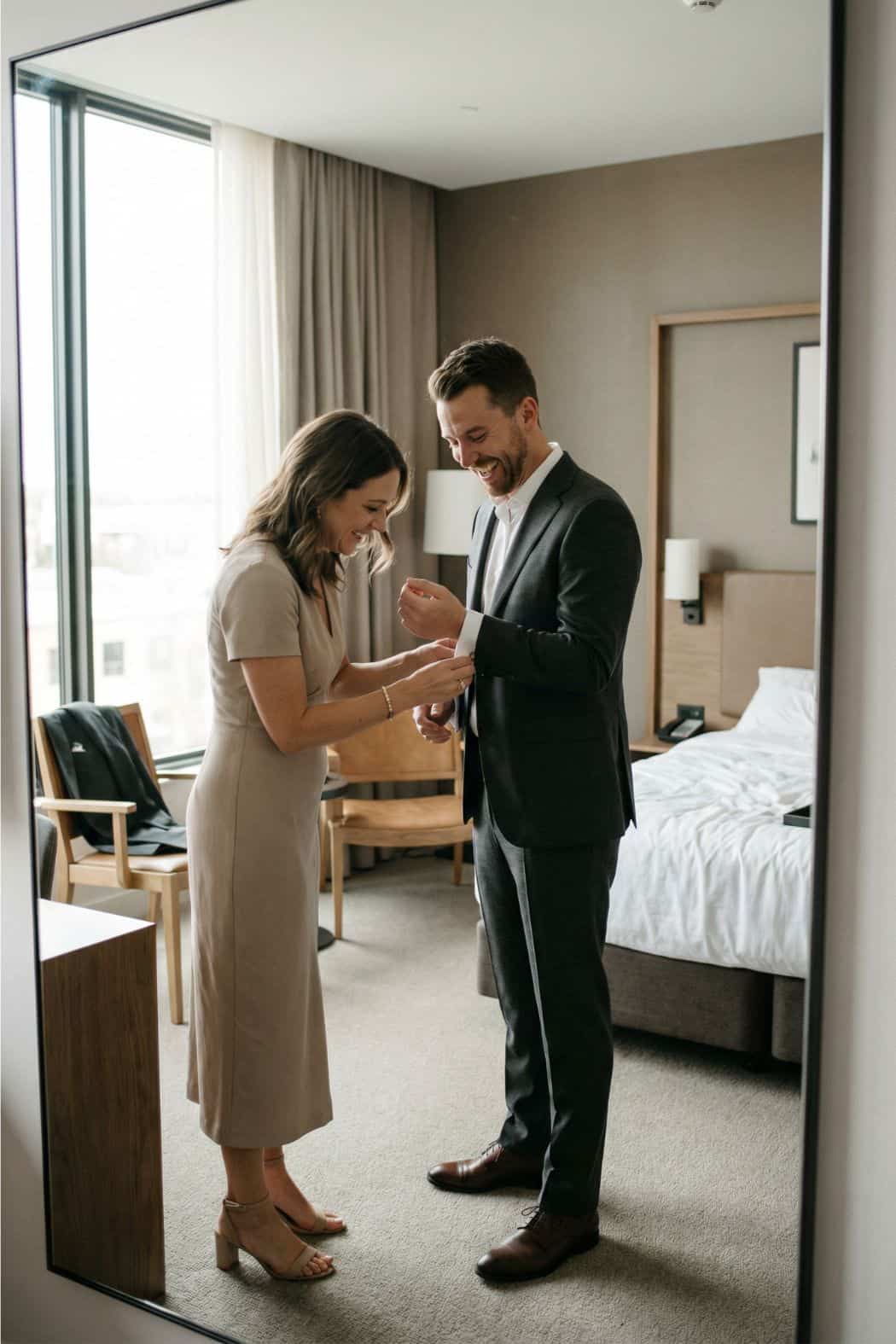
What to Confirm Before the Wedding Day
A lot of stress on the wedding day is not caused by anything going wrong. It comes from not knowing what is happening.
The more you clarify in advance, the less you need to ask, react, or adjust on the day.
Focus on the details that directly affect your role and movement through the day.
Timeline and arrival times
Do not rely on a vague idea of the day. Know your actual times.
Confirm:
- when you need to arrive
- where you need to be first
- whether transport is arranged
- whether you are expected to stay in one place between events
Photo schedule and locations
Many family members feel frustrated on wedding days simply because they did not know when photos were happening or where.
Find out:
- whether you are in getting-ready photos
- when immediate family portraits happen
- where to go after the ceremony
- whether there are any specific group shots involving you
Ceremony expectations
This includes both emotional and practical expectations.
Check:
- whether the ceremony is unplugged
- where close family are seated
- whether there are any cultural or religious elements to be aware of
- whether you have any formal role beyond attending
Whether you have a role in anything specific
Do not assume. Clarify.
You may have a role in:
- greeting certain guests
- helping with family coordination
- being present for certain photos
- taking part in a procession, receiving line or mother-son dance
- whether you are expected to give a speech, toast or reading
If none of that applies, that is also useful to know.
Who the point person is for questions
This is one of the most useful things to confirm and one of the most often missed.
If you know exactly who to go to, you are far less likely to pull the couple into unnecessary logistics.
When You Should Step In
Most wedding-day problems should be passed to the planner, coordinator or venue team. A late supplier, missing decoration, seating question or change to the timeline does not normally require the mother of the groom to take charge.
There are, however, situations where waiting for someone else is not appropriate.
Step in when:
- someone becomes unwell, has a fall or appears unsafe
- a child is missing or needs immediate help
- an older or vulnerable guest is distressed or unable to manage alone
- an accessibility problem is preventing someone from entering, moving around or taking part
- the couple, planner or venue team specifically asks you to help
- there is a genuine emergency requiring immediate action
As the mother of the groom, you may notice quickly when one of his relatives is struggling because you know their health, mobility or personal needs.
In that situation, helping the person and alerting the appropriate staff is more important than worrying about overstepping.
If the situation is urgent, contact the venue team immediately and call the emergency services when necessary. Do not wait to ask the couple for permission or bring the problem to them first.
Once the right person has taken over, step back and allow them to handle it.
Avoid discussing the incident widely or creating unnecessary alarm among other guests.
The distinction is straightforward: step in for safety, wellbeing or when you have been directly asked. Pass ordinary wedding logistics to the people responsible for running the day.
A Meaningful Role Does Not Have to Be a Formal One
Not every wedding gives the mother of the groom a defined job. At some weddings, she may be involved in the getting-ready morning, photographs, ceremony, speeches or a mother-son dance.
At others, her only formal responsibility is to arrive and celebrate with everyone else.
The number of duties you are given is not a measure of your importance or your relationship with the groom. It may simply reflect the type of wedding the couple has planned and how they have chosen to organise the day.
Once you know what is expected of you, try not to compare your involvement with that of another parent or search for meaning in every decision.
Support the couple, welcome their guests and enjoy being present for an important family moment.
You do not need a title, task or public role to be a valued part of the wedding.
More blogs you will love!
- Black Tie Outfits for Women Over 50: Modern, Flattering Ideas

- What to Wear Over a Mother of the Bride or Groom Dress

- Winter Mother of the Bride & Groom Outfit Trends That Feel Modern in 2026

- What the Mother of the Groom Should Never Do on the Wedding Day

- Mother of the Groom Wedding Morning: What to Do and Where to Be

- Mother of the Bride Wedding Morning: What to Expect and How to Help

- The Mother’s Wedding Week Checklist: What to Do in the Final 7 Days

- Wedding Hair & Makeup for Mothers: The Complete Planning Guide
- A Mother’s Complete Wedding Weekend Guide: Rehearsal to Post-Wedding Brunch