
Hair and makeup can seem like a small part of the wedding plan until you need to work out who has booked what, where you are getting ready, whether you are expected to join the main beauty team and what time you must be finished.
The best place to start is not with hairstyle photographs. First, establish the practical arrangements. You can then choose a service, stylist and look that work for your hair, skin, outfit, budget and wedding-day schedule.
This guide takes you through that process from the first conversation with the couple to getting dressed on the wedding morning. For specific inspiration, use the separate guides to mother-of-the-bride hairstyles, short and long hair, updos, hair-down styles, hats and mature makeup.
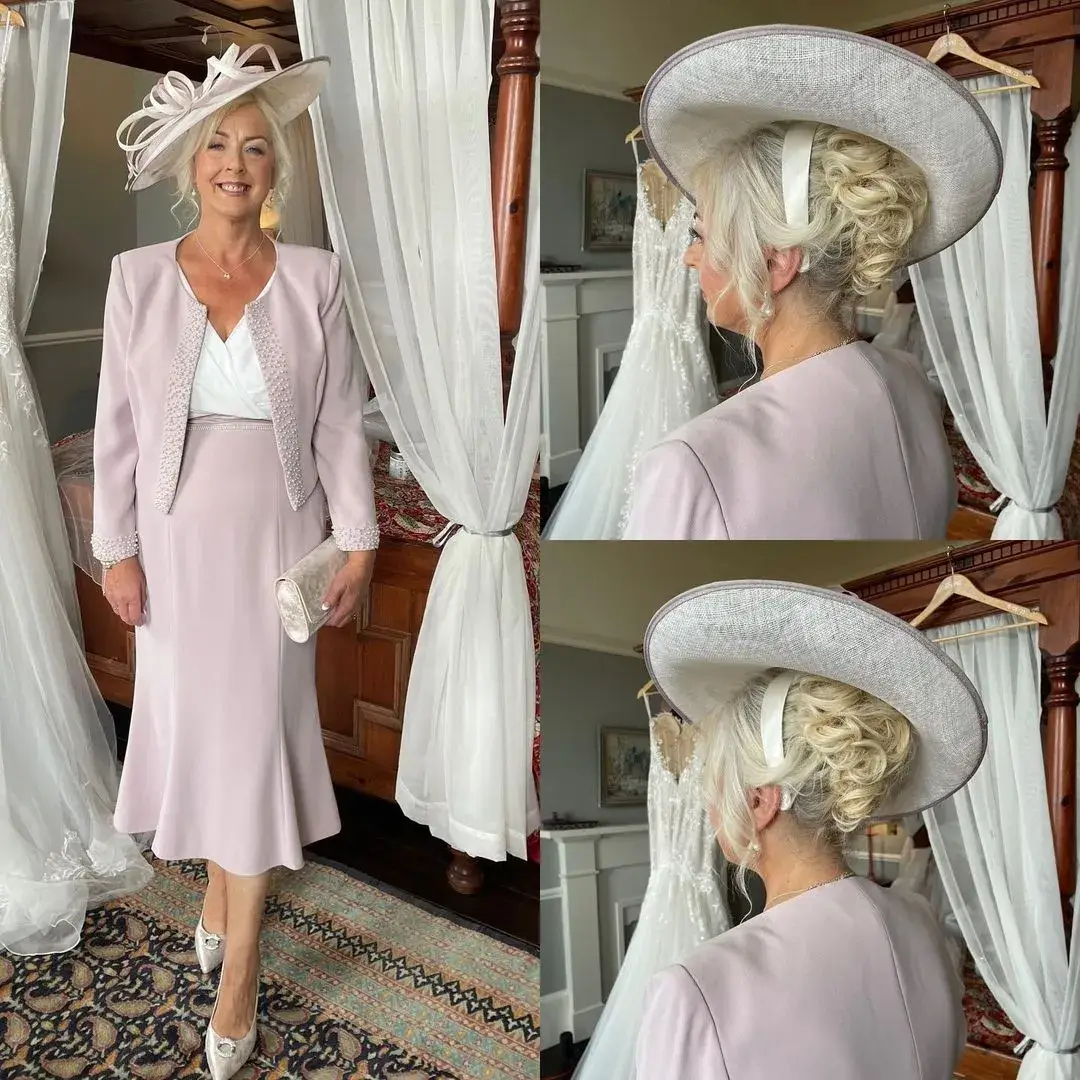
1. Find Out What the Couple Has Already Arranged
Before contacting a salon or artist, ask what has already been booked.
You need to know:
- Whether the couple has hired a hair and makeup team
- Whether a place has been reserved for you
- Whether that place includes hair, makeup or both
- Where the services will take place
- Whether you are expected in the main getting-ready group
- What time you must be completely ready
- Whether you are needed for dressing photographs or to help your child get ready
- Whether the couple is paying or you will pay for yourself
- When your place must be confirmed
Do not assume that you have been added because someone says the wedding beauty team is booked. Ask for your name and chosen services to be confirmed on the booking.
If nothing has been arranged for you, that is not necessarily a problem. It simply means you need enough notice to book independently or decide to do your own.
Is the Mother of the Groom Normally Included?
There is no single rule for either mother.
The mother of the bride is often included when she is getting ready with her daughter, helping with the wedding outfit or appearing in morning photographs. The mother of the groom may be invited to join that group, use the same artists elsewhere, get ready with her son or child or make her own arrangements.
Getting ready separately does not automatically mean you have been deliberately excluded. The decision may be based on space, timing, relationships or where different parts of the family are staying.
What matters is clear communication. Both mothers should know what has and has not been arranged early enough to make a plan they are happy with.
If you are unsure, ask directly but without making the question about etiquette: “I am starting to plan my hair and makeup. Have you included me in the existing booking, or would you prefer me to arrange my own?”
2. Decide What Kind of Help You Want
You do not have to book professional hair and makeup simply because other people are.
Your options include:
- Professional hair and makeup
- Professional hair with your own makeup
- Professional makeup with your own hair
- Your regular hairdresser or makeup artist
- A local salon
- A separate mobile stylist
- Doing everything yourself
Think about what you normally feel confident doing, how long the look must last and which service would make the morning easier rather than more complicated.
If you dislike the way professional makeup feels, there is no reason to book a full service. You might prefer your own familiar makeup with professionally styled hair. Equally, if you can style your own hair but worry about makeup lasting through photographs and a long reception, book only the makeup.
Also consider the appointment time. Joining a large wedding beauty booking may mean starting very early. Using your regular salon or doing part of the look yourself could give you a calmer morning.
Decide Where You Will Get Ready
You may be getting ready with the bride, with your son or child, in your own hotel room, at home, at a salon or at the venue.
If you are joining a shared room, confirm there is somewhere to store your outfit and enough privacy to dress. If a mobile artist is visiting your hotel, check when the room becomes available, whether outside professionals are allowed and how they will park or access the building.
If you are going to a salon, allow time to return, get dressed and travel to the ceremony. The appointment should be booked around the time you need to be finished, not the ceremony start time.
3. Set a Budget and Secure the Booking
There is no universal rule about who pays for a mother’s wedding hair and makeup. The couple may offer to cover it, you may pay for yourself or the cost may be divided.
Being included in a group booking does not necessarily mean your service has already been paid for. Discuss it before confirming rather than trying to settle the question on the wedding morning.
Ask for the full cost, including any charges for:
- Hair
- Makeup
- Trial appointments
- False lashes
- Extension or hairpiece fitting
- Travel and parking
- An early start
- Deposits
- Gratuity, where customary
Joining the Existing Wedding Team
Ask for confirmation of:
- The services reserved in your name
- Your individual price
- The getting-ready address
- How and when payment is made
- Whether a trial is available
- When the final appointment time will be issued
Wedding beauty teams work to a fixed number of services and available hours. If the existing team cannot fit you in, it is usually a scheduling issue rather than a personal decision.
Booking Your Own Mobile Artist
Give the artist the getting-ready address and the time you must be completely finished. Mention any travel required afterwards, but let the artist tell you how long the service needs.
Before paying a deposit, ask about travel fees, parking, minimum booking requirements, cancellation terms and what happens if the artist becomes unavailable.
Using Your Regular Salon
Your regular stylist already understands your hair and how you like to look, which can make this a very good option.
Tell the salon it is a wedding appointment and give them a firm finished-by time. Ask whether they can fit your hat, fascinator, hairpiece or extensions, and leave a sensible buffer in case the appointment runs late.
4. Choose a Professional Who Understands Your Hair and Skin
A portfolio filled with beautiful bridal work does not automatically show that an artist is right for you. Look for genuine experience with clients of different ages and with hair and skin similar to yours.
Depending on your needs, look for examples of:
- Fine, thinning, short, grey or textured hair
- Natural skin texture
- Dry or sensitive skin
- Hooded eyes
- Clients who wear glasses
- Different skin tones
- Hats, fascinators and hairpieces
Ask how the artist would adapt the service for you. A good professional should be able to discuss skin preparation, comfortable coverage, eye sensitivity, the condition of your hair and how the finished look will last.
Be cautious if every mature client is described in terms of looking younger. The aim is not to hide your age. It is to create a polished, comfortable version of you that works in person and in photographs.
You should also feel able to say what you do not want. If you dislike heavy foundation, strong contouring, stiff hair or large false lashes, mention it before the wedding day.
5. Choose Your Hair and Makeup Direction
Once you have chosen your outfit and main accessories, narrow down the overall direction for your hair and makeup.
Consider:
- How you normally wear your hair and makeup
- Your actual hair length, texture and density
- The outfit neckline
- Earrings and glasses
- A hat, fascinator or hair accessory
- The wedding setting and expected weather
- How long the look needs to last
- Whether you plan to remove your hat later
You do not need to select an exact copy of another person’s hairstyle. Choose two or three useful reference photographs showing the shape, volume or finish you like. An experienced stylist can then adapt those elements to your own hair.
The same applies to makeup. Decide whether you want a natural, softly polished or more defined finish, but keep the result within a level that feels comfortable to you.
For more detailed help at this stage, link to the relevant guides for your hair length, up or down styles, fine or thinning hair, short hair, hats and fascinators, and makeup for mature skin. This planning guide does not need to repeat all of those options.
You do not need to coordinate your hair or makeup with the other mother or copy the wedding party.
6. Decide Whether You Need a Trial
A trial is optional. It is most useful when it removes a genuine uncertainty.
Consider booking one if:
- You are using an unfamiliar artist
- You rarely wear makeup
- Your skin or eyes are sensitive
- You have previously disliked professional makeup
- Your chosen hairstyle is very different from your usual look
- Your hair struggles to hold a style
- You will use extensions, a hairpiece or a hat
- You feel anxious about not looking like yourself
A trial may be unnecessary if you are using your regular stylist and choosing a familiar look.
Take a photograph of your outfit, your glasses, earrings and any hat or hair accessory. Bring two or three reference images rather than an entire inspiration board.
Use the appointment to check whether the look is comfortable, works with your accessories, photographs well and still feels right after several hours. If you plan to remove a hat, test what the hair looks like underneath.
Speak up while the artist is working. A trial is the correct time to soften the coverage, change a colour, adjust the volume or try a different placement.
Before leaving, take photographs from the front, side and back. Ask the artist to record the agreed products, shades and hairstyle so the wedding-day appointment is not based on memory.
If you are doing your own hair or makeup, a full timed practice serves the same purpose.
7. Plan Your Hair and Skin Preparation
Once the look has been decided, add any supporting appointments to your calendar. These may include a haircut, hair colour, extension fitting, hairpiece colour match, trial or a familiar skin appointment.
Ask your regular hairdresser when to schedule your final cut and colour. The right timing depends on how quickly your hair grows, how you wear it and whether you prefer a freshly coloured or slightly settled result. There is no single schedule that works for every mother.
Avoid dramatic cuts, unfamiliar colours, aggressive facials or new skincare close to the wedding. The final weeks should be about maintaining what already works, not trying to correct normal hair or skin changes.
Ask the wedding artist:
- When to wash your hair
- Whether to use conditioner
- Which styling products to avoid
- How to prepare extensions
- Whether the hat or accessory is needed at the appointment
- Whether to arrive with a clean face
- Which skincare to apply that morning
Mention allergies, prescribed skin treatments, scalp conditions and eye sensitivity well before the wedding day. If false lashes or a new adhesive will be used, arrange a test when appropriate.
8. Set the Hair and Makeup Timing
Keep this part of your plan focused on the beauty appointments. Use the couple’s main wedding schedule or your own wedding-weekend plan for everything else.
You need to know:
- What time the artist will begin
- How long each service will take
- Whether hair or makeup happens first
- What time you will be finished
- How much time you need to dress
- Whether photographs or helping your child require you to be ready earlier
- When you must leave for the ceremony
If you are helping the bride dress or appearing in those photographs, you will normally need to be completely ready first. This may place your appointment near the beginning of a shared schedule. That is a practical decision, not a reflection of importance.
Ask whether the artist will complete a final hair check, lip touch-up or accessory fitting before leaving. If you are using a salon away from the getting-ready location, include travel and a delay buffer.
For the complete rehearsal-to-brunch schedule, link to the separate mother’s wedding weekend guide rather than expanding it here.
9. Prepare for the Appointment
The day before, confirm the appointment time and address, then follow the artist’s hair-washing and skincare instructions.
Lay out your outfit, underwear, jewellery, glasses and hair accessories. Set aside a button-front or zip-front top that can be removed without pulling it over finished hair and makeup. Check how you will travel, prepare any remaining payment and pack the products you will need later.
Avoid unfamiliar skin treatments and last-minute experiments. If something changes, such as irritation, a cold sore, a damaged extension or a missing accessory, tell the artist rather than hoping it will not matter.
On the Wedding Morning
Eat before the appointment and take any regular medication. Arrive or be ready with your hair and skin prepared exactly as instructed.
During the service:
- Explain any discomfort immediately.
- Ask for adjustments while the artist is working.
- Check the makeup with your glasses on.
- Look at the result in natural light if possible.
- Make sure the hairstyle feels secure rather than painful.
- Confirm how your hat or accessory is fitted and removed.
- Ask which products you will need for touch-ups.
- Photograph the finished hairstyle from the back.
Keep the wedding outfit away from foundation, hairspray and hot tools until the beauty services are complete. Leave enough time to dress carefully, add jewellery and fit accessories without rushing.
Your Touch-Up Kit
You only need a small personal kit containing items such as lip colour, powder or blotting papers, tissues, a compact mirror, hairpins, a small comb and a glasses cloth. Add anything specific recommended by the artist.
If you plan to remove a hat later, ask the stylist exactly what you will need to refresh the hair underneath.
You do not need to carry a full beauty kit for the entire wedding party unless you have chosen to take on that job.
If You Are Doing Your Own Hair or Makeup
Doing your own is a valid choice, particularly if familiar products and techniques make you feel more comfortable.
Practise the complete look several times before the wedding. Time the process, photograph it in different light and wear it for long enough to see what needs touching up. Test it with your glasses, earrings and hair accessories, and check the hairstyle from behind.
Use products you already understand where possible. Buying an entirely new makeup collection immediately before the wedding can create more problems than it solves.
If you are doing your own hair, make sure you can secure the back properly or arrange for someone to help. Prepare a simpler backup style in case the weather changes or your first attempt does not work.
On the wedding morning, allow more time than your practice required. The aim is to finish early enough to dress and check the complete look without rushing.
Make the Decisions Once, Then Enjoy the Morning
By the final week, you should know which services you are having, where you are getting ready, what they cost, how you are preparing and when you will be finished.
You do not need to follow traditional mother-of-the-bride beauty rules, match anyone else or choose a look designed to make you appear younger. You need a plan that feels comfortable, works with your outfit and allows you to recognise yourself when you look back at the photographs.
More blogs you will love!
- What the Mother of the Groom Should Never Do on the Wedding Day
- Mother of the Groom Wedding Morning: What to Do and Where to Be

- Mother of the Bride Wedding Morning: What to Expect and How to Help
- The Mother’s Wedding Week Checklist: What to Do in the Final 7 Days
- Wedding Hair & Makeup for Mothers: The Complete Planning Guide
- A Mother’s Complete Wedding Weekend Guide: Rehearsal to Post-Wedding Brunch
- Mother-Daughter Things to Do Before the Wedding

- The Mother’s Guide to the Bachelorette or Hen Party

- Mother of the Groom Bridal Shower Etiquette: What Are You Actually Expected to Do?