
The final week before your son’s or daughter’s wedding is not the time to begin new projects or take responsibility for every unfinished detail.
Your job is to confirm the plans that affect you, complete your personal preparations and make sure anything you agreed to bring is in the right hands before the wedding morning.
This checklist gives you a practical order to follow. You can move individual tasks around your travel, beauty appointments and rehearsal, but try not to leave packing, speeches or important handovers until the final evening.
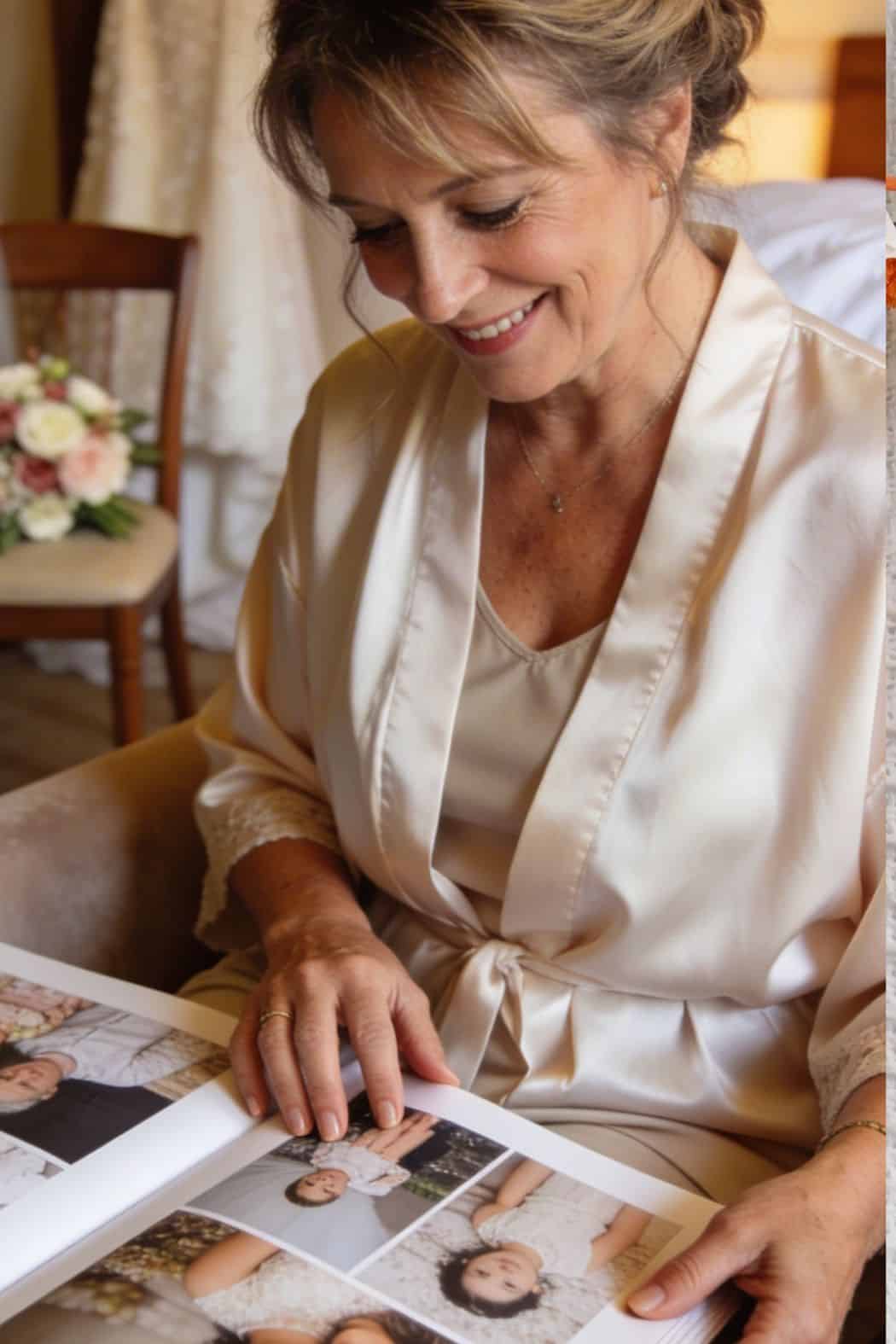
Seven Days Before: Make Your Personal Wedding Week Plan
Start with the couple’s itinerary, wedding website and any information from the planner. Pull out only the details that affect you and put them into one simple schedule.
Include:
- Every event you are attending
- Addresses and your required arrival times
- Hotel check-in and checkout
- Hair and makeup
- The ceremony rehearsal
- Any processional, reading or ceremony role
- Family photographs
- A rehearsal dinner toast or wedding speech
- Transport between locations
- Anything you are bringing or handing over
- Anything you have agreed to collect after the wedding
Your required arrival time may be earlier than the time printed on the invitation. Mothers are often needed before other guests for photographs, ceremony instructions or getting-ready plans.
For a complete rehearsal-to-brunch schedule, use the full mother’s wedding weekend guide. Your wedding week list only needs the information required to get you through the final few days without searching through messages.
Confirm the Arrangements That Affect You
Check your hotel dates, travel bookings, wedding-day transport, beauty appointment, rehearsal details, ceremony arrival time, family photograph time and return journey.
If you are attending a post-wedding brunch, check its timing against hotel checkout and your journey home. Also make sure arrangements at home, such as pet care, are covered for the correct dates.
Only contact suppliers you booked yourself or have specifically agreed to manage. The couple or planner should be handling the main wedding confirmations. Mom does not need to call the florist, photographer or caterer simply to make sure they are still coming.
Save the Right Contact Details
Save the phone number for the planner, venue coordinator or designated wedding contact.
The couple may be difficult to reach once the celebrations begin. If relatives ask about parking, shuttles or event times, direct them to the wedding website or official contact rather than becoming the family information desk.
Six Days Before: Check the Complete Wedding Outfit
Try on the complete look, including the underwear, hosiery, shoes, jewelry, glasses, bag, hat or hair accessory and outer layer you intend to wear.
Walk, sit and use stairs in it. Check that:
- The outfit still fits comfortably
- Underwear does not show through or alter its shape
- Every zip, button and fastening works
- Shoes are suitable for the venue and walking surface
- Jewelry fastens securely
- The bag holds what you genuinely need
- Your coat or wrap works with the finished look
Remove tags and temporary stitching. Look for marks, loose threads, missing earring backs, damaged hosiery or anything that needs pressing.
There may still be time to secure a loose button, buy replacement hosiery or change uncomfortable underwear. It is much harder to fix those small problems on the wedding morning.
If your shoes are new, wear them indoors for short periods and check where they rub. Pack a comfortable reception pair if you know you will want to change later.
Check the Corsage and Hair Accessories
If you will wear a corsage, find out whether it is pinned, magnetic or worn on the wrist. A heavy pinned flower may pull delicate fabric, while a magnetic fastening may not work well through a jacket or structured detail.
You do not need to contact the florist unless you arranged the flowers. You only need to make sure the planned option will work with your outfit and that you know when you will receive it.
If you are wearing a hat or fascinator, practice positioning it and confirm who will help attach it after your hair has been styled.
Make One Sensible Weather Adjustment
Check the forecast for practical issues rather than rebuilding the entire outfit around it.
You may need an umbrella, warmer outer layer, different travel shoes or something to protect heels on grass. For an outdoor ceremony, think about heat, cold, rain and wind. For an evening reception, remember that the temperature can drop even after a warm afternoon.
Five Days Before: Finish the Speech or Reading
If you are giving a speech, toast or ceremony reading, the main content should now be complete.
Read it aloud. This is the easiest way to find sentences that are too long, repeated points and stories that take too much explanation. Time it and remove anything that could embarrass the couple or make another guest uncomfortable.
Confirm when you will speak and whether you are giving a separate toast at the rehearsal dinner. If you have two speaking moments, do not use the same story in both.
For a ceremony reading, check that you have the exact version chosen by the couple or officiant. Poems, prayers and literary passages can appear in several slightly different forms online.
Print the final wording in large, easy-to-read text with short paragraphs. Keep one copy with your wedding items and save another on your phone. The printed copy will usually be easier to read than a bright phone screen in a dark reception room.
Use the dedicated mother’s wedding speech, rehearsal dinner toast or reading guide if you still need help refining the content. Wedding week should be for practicing the finished version, not writing it from the beginning.
Four Days Before: Organize Gifts, Letters and Wedding Handovers
Gather anything you intend to give, lend or deliver during the wedding weekend.
This might include:
- The wedding card or gift
- A private letter
- Family jewelry or something borrowed
- A photograph or keepsake
- A gift for your child’s partner
- An item used in a family or cultural tradition
- Decorations or photographs you agreed to supply
- Items for the rehearsal dinner
- An overnight bag being moved to another location
Separate personal gifts from practical wedding items. They need different plans.
Decide When Personal Items Will Be Given
Choose a specific moment for any card, letter, gift or keepsake. It might be the rehearsal dinner, a planned private moment on the wedding morning or after the wedding when everyone has more time.
Do not carry an important letter or valuable piece of jewelry around for several days while waiting for the right opportunity. If a gift is bulky, send it to the couple’s home instead of adding another box to their post-wedding transport.
For an heirloom or borrowed item, agree who will bring it, when it will be handed over, where it will be stored and who will take it after the wedding. Use a secure case and take a photograph of valuable pieces before packing them.
Hand Over Practical Wedding Items Early
Put decorations, ceremony pieces, printed stationery, photographs and other practical items into a separate handover bag. Label each item with what it is, where it goes, when it is needed and who should receive it.
Where possible, give these items to the planner, venue or agreed person before the wedding morning. Once something has been handed over, it should no longer depend on you remembering to take it out of your hotel room or car.
Before accepting a last-minute request to “bring this with you,” establish whether you are only transporting the item or are also expected to set it up, store it and collect it afterwards. Agreeing to one lift should not quietly become responsibility for the whole job.
Three Days Before: Pack by Event
Group clothing and accessories according to when you will use them rather than putting all formalwear together.
You might pack complete sets for:
- The rehearsal or welcome event
- The wedding morning
- The ceremony and reception
- An optional after-party
- The post-wedding brunch
- The journey home
Keep each outfit with the correct underwear, hosiery, shoes and accessories. This makes it much easier to spot a missing item and prevents the earrings intended for the wedding from disappearing into another evening bag.
Your full mother-of-the-bride and groom wedding packing list can cover toiletries, casual clothing and general travel items. The important wedding-week task is making sure every confirmed event has one complete outfit.
Keep Essential and Irreplaceable Items With You
If you are flying or traveling by train, keep the wedding outfit and anything difficult to replace in your hand luggage where possible.
That includes medication, jewelry, glasses or contact lenses, hearing aids and batteries, speech notes, travel documents, family heirlooms and any important letter.
Check how the main outfit will be steamed or pressed. Do not assume the hotel has a suitable steamer, particularly if the fabric needs careful handling.
During the Week: Complete Planned Beauty Appointments
Keep final hair, brow, nail or skin appointments at the times recommended by the professionals who normally treat you. There is no single day that is right for every haircut, color or treatment.
This week is about completing a plan you have already tested. Avoid a dramatic haircut, unfamiliar hair color, strong peel, new skincare routine or untested self-tan.
Confirm the instructions for the wedding-day hair and makeup appointment, including:
- When to wash your hair
- Which products to use or avoid
- How to prepare your skin
- Whether your hat, fascinator or hairpiece is needed
- What time the appointment begins
- What time you will be completely finished
Use the complete wedding hair and makeup planning guide for mothers for trials, choosing a stylist, mature hair and skin, costs and doing your own. In wedding week, you only need to complete the agreed preparation and know when to be ready.
Two Days Before: Check the Rehearsal Details
If you are attending the ceremony rehearsal, confirm the time, address, meeting point and transport. Find out whether the rehearsal dinner or welcome drinks follow immediately so you know what to wear and whether there will be time to change.
If you have a ceremony role, use the rehearsal to confirm:
- Where you wait
- When you enter
- Who accompanies you
- Where you sit or stand
- What happens after your reading or ritual
- Where you go at the end of the ceremony
Take your ceremony shoes if the aisle, steps or ground may be difficult. You do not need to take the complete wedding outfit.
The rehearsal is for understanding the agreed movement and timing. Unless there is a genuine practical problem, it is not the time to reopen family seating or introduce a different processional plan.
If You Are Hosting a Weekend Event
If you are hosting the rehearsal dinner, welcome gathering or brunch, make one final check with the venue or caterer covering the guest count, dietary needs, menu, supplier times, remaining payment, setup and collection arrangements.
Confirm who will deal with questions once guests arrive. You should be able to welcome people and attend the event rather than spend the evening checking deliveries.
Use the full mother’s rehearsal dinner guide for the wider planning. Wedding week should only require a short confirmation of decisions already made.
Two Days Before: Confirm What Happens After the Reception
This is easy to overlook because most wedding-week attention is focused on getting everything to the venue. Some belongings will also need a clear route out.
Find out whether you have agreed to collect anything after the reception, such as:
- Your child’s changed outfit or wedding outfit
- Family jewelry
- Cards or gifts
- Flowers
- Personal decorations
- Leftover cake
- Hired or borrowed items
- Overnight bags
Confirm where each item will be, when it can be collected and whether it will fit in your car or chosen transport.
Do not assume responsibility for everything simply because you are a parent, have a hotel room or are driving. If the couple needs a venue clear-down plan, every collection should be assigned to a named person before the celebration begins.
The Day Before: Prepare the Wedding-Morning Set
Take out only what you will need before leaving for the ceremony:
- Getting-ready clothes
- Hair and makeup accessories
- Wedding outfit and underwear
- Jewelry
- Shoes
- Glasses or contact lenses
- Medication
- Small wedding-day bag
- Speech or reading notes
- Any letter or keepsake being exchanged that morning
Keep the wedding outfit covered and away from food, drinks, cosmetics, hairspray and hot styling tools.
If the outfit has difficult buttons, a back zip or another fastening you cannot manage alone, decide who will help. Do the same for a necklace, corsage, hat or fascinator.
Check the Three Times That Matter
Before going to bed, check:
- What time you must wake up or begin hair and makeup
- What time you must be completely dressed
- What time transport leaves
The fuller schedule has already been confirmed. You do not need to spend the final evening repeatedly checking messages unless the planner announces a change.
Charge your phone, set the alarm and place medication, glasses, hearing aids and speech notes where they cannot be forgotten. Follow the artist’s hair and skin instructions, then stop making changes to the outfit, speech or wedding plan.
Eat properly, drink some water and get as much rest as the circumstances allow. Those basics will be more useful tomorrow than completing one more unplanned wedding task.
What Mom Should Not Take On During Wedding Week
Being helpful does not mean becoming responsible for every relative, supplier and forgotten detail.
Do not automatically take on:
- Answering questions already covered by the wedding website
- Confirming every relative’s travel
- Chasing members of the wedding party
- Collecting several guests from different locations
- Storing all the decorations
- Solving supplier issues you were not assigned
- Completing new craft projects
- Buying replacements for every forgotten item
- Managing the entire venue clear-down
If the couple asks for help, agree on one specific task and establish when your responsibility ends. “Can you take this box to the planner on Friday?” is clear. “Can you keep an eye on everything?” is not.
Your own arrangements, health and role in the wedding matter too. By the wedding morning, anything other people need from you should already be in the right hands. You can then begin the day as Mom, not as an unofficial wedding coordinator.
More blogs you will love!
- What the Mother of the Groom Should Never Do on the Wedding Day

- Mother of the Groom Wedding Morning: What to Do and Where to Be

- Mother of the Bride Wedding Morning: What to Expect and How to Help

- The Mother’s Wedding Week Checklist: What to Do in the Final 7 Days

- Wedding Hair & Makeup for Mothers: The Complete Planning Guide

- A Mother’s Complete Wedding Weekend Guide: Rehearsal to Post-Wedding Brunch

- Mother-Daughter Things to Do Before the Wedding

- The Mother’s Guide to the Bachelorette or Hen Party

- Mother of the Groom Bridal Shower Etiquette: What Are You Actually Expected to Do?