
The rehearsal dinner is often one of the most overlooked parts of the wedding weekend, yet for many mothers, it is one of the most meaningful.
It is usually the first time both families sit down together in a smaller, more personal setting. It is where thanks are given, nerves settle, and the tone for the wedding day is quietly set.
Whether you are hosting, contributing, or simply supporting, it helps to understand exactly what your role is. Who pays. Who attends.
What to wear. When to speak. How formal it should feel.
This guide breaks it down clearly and practically, so the rehearsal dinner feels organised, appropriate, and calm rather than another layer of pressure before the big day.
What Is the Rehearsal Dinner and Who Is It For?
For many mothers, the rehearsal dinner can feel slightly unclear. Is it formal? Is it expected? Who actually needs to be there?
At its core, the rehearsal dinner is a small gathering held after the ceremony rehearsal, usually the evening before the wedding. Its purpose is simple.
It brings together the people most involved in the wedding so everyone feels relaxed, connected, and prepared for the next day.
It is not a second wedding reception. It is a thank you and a welcome.
The Purpose of the Evening
The rehearsal dinner serves three main purposes:
First, it allows the wedding party and close family to run through the ceremony logistics calmly.
Second, it gives both families a chance to spend time together in a more intimate setting before the pace of the wedding day takes over.
Third, it creates space for meaningful moments. This is often when shorter, more personal toasts are shared and when parents can speak in a more relaxed environment.
For mothers, it is often the first time both families are seated together in a focused way. Keeping the atmosphere warm and simple helps set the tone for the entire weekend.
Typical Guest List
The guest list is usually smaller and more intentional than the wedding itself.
Traditionally, it includes:
• The wedding party
• Immediate family from both sides
• The officiant
• Partners of the wedding party
Some couples also choose to invite:
• Out of town guests who have travelled a significant distance
• Very close extended family
If the wedding guest list is large, including all out of town guests may not be practical. In that case, many couples host welcome drinks later in the evening that are open to a wider group.
As a mother, it is helpful to confirm the guest list early so expectations are clear and there is no confusion about who is included.
Alternative Formats
Not every rehearsal dinner looks the same anymore.
Some families choose a private dining room in a restaurant. Others host a relaxed backyard dinner. Increasingly, couples opt for welcome drinks, a cocktail style gathering, or a casual pizza night after the rehearsal.
All of these options are perfectly appropriate.
The key is matching the tone to the overall wedding and keeping the evening manageable. This event should feel like a calm beginning to the celebrations, not an additional production to coordinate.
Who Hosts and Who Pays Today?
This is often the question mothers worry about most.
Traditionally, the groom’s family hosted and paid for the rehearsal dinner. That expectation still exists in some families, but it is no longer a strict rule. Modern weddings are far more flexible.
Traditional Expectation
In classic wedding etiquette, the groom’s parents organised and funded the rehearsal dinner as their primary contribution to the wedding celebrations. It was viewed as a gesture of welcome to the bride and her family.
That tradition still works well if it feels natural for your family structure and budget.
The Modern Reality
Today, hosting can look very different.
It may be:
• The groom’s parents
• The bride’s parents
• Both families jointly
• The couple themselves
• Or split in a way that feels financially comfortable for everyone
There is no universal expectation anymore. What matters most is clarity and agreement early on.
How to Approach the Conversation
If the topic has not been discussed, start with a simple, practical question. Ask whether the couple is planning a rehearsal dinner and what they have in mind.
From there, you can discuss:
• Who would like to host
• What level of event feels appropriate
• What budget range makes sense
Keep the tone collaborative rather than traditional. Weddings today are rarely funded in the same structured way they once were.
Gift or Shared Expense?
Some families treat the rehearsal dinner as their wedding gift to the couple. Others prefer to contribute to the overall wedding budget and let the couple allocate funds where needed.
There is no right answer. What matters is being clear. If you are covering the rehearsal dinner fully, confirm what that includes such as food, drinks, venue hire, and gratuities. If it is shared, agree on percentages or specific elements each party will handle.
Clarity prevents tension later.
Keep It Proportional
The rehearsal dinner does not need to match the scale of the wedding reception. It should feel complementary, not competitive.
A private dining room, a set menu at a favourite restaurant, or a well organised gathering at home can be just as meaningful as a large formal event. The focus is connection, not production.
If the wedding is already a significant financial commitment, there is no need to create pressure by overspending the night before. Simple, thoughtful, and organised will always feel appropriate.
Planning the Rehearsal Dinner
Once you know who is hosting and what the budget looks like, the focus shifts to execution.
The goal is simple: create a warm, organised evening that feels calm and intentional. This is not about production value. It is about clarity and comfort.
Choosing the Venue
The right venue depends on your guest count, budget, and how involved you want to be on the night.
A restaurant private room is one of the easiest options. It provides structure, catering, staffing, and minimal clean up. Most restaurants offer group set menus, which makes costs predictable and avoids decision fatigue. It also gives the evening a clear start and finish time.
Hosting at home works well for smaller groups and creates a personal atmosphere. If you choose this route, consider hiring catering or at least outsourcing part of the meal. As the mother, you should not be in the kitchen while everyone else is connecting.
A hotel dining space is ideal if guests are staying nearby or if the rehearsal takes place at the same venue. It simplifies travel and keeps the evening streamlined, especially for destination weddings.
In terms of formality, aim slightly below the wedding itself. If the wedding is black tie, a refined seated dinner fits naturally. If the wedding is relaxed or outdoors, a more casual dinner or cocktail style event works better. Consistency in tone makes the entire weekend feel cohesive.
Budget Considerations
Keeping the rehearsal dinner proportional to the wedding prevents unnecessary pressure.
A set menu is often the most practical option. It controls costs, speeds up service, and simplifies ordering. Offering too many choices can slow the evening and increase the bill.
Limit décor. This event does not need elaborate florals or full tablescapes. Simple candles, subtle florals, or using the restaurant’s natural setting is more than enough.
Clarify bar expectations early. Decide whether you are hosting an open bar, wine and beer only, or a limited drinks selection. Confirm what is included with the venue so there are no surprises at the end of the night.
Most importantly, avoid turning this into a second wedding reception. The rehearsal dinner should complement the main event, not compete with it. Focus on atmosphere, not extravagance.
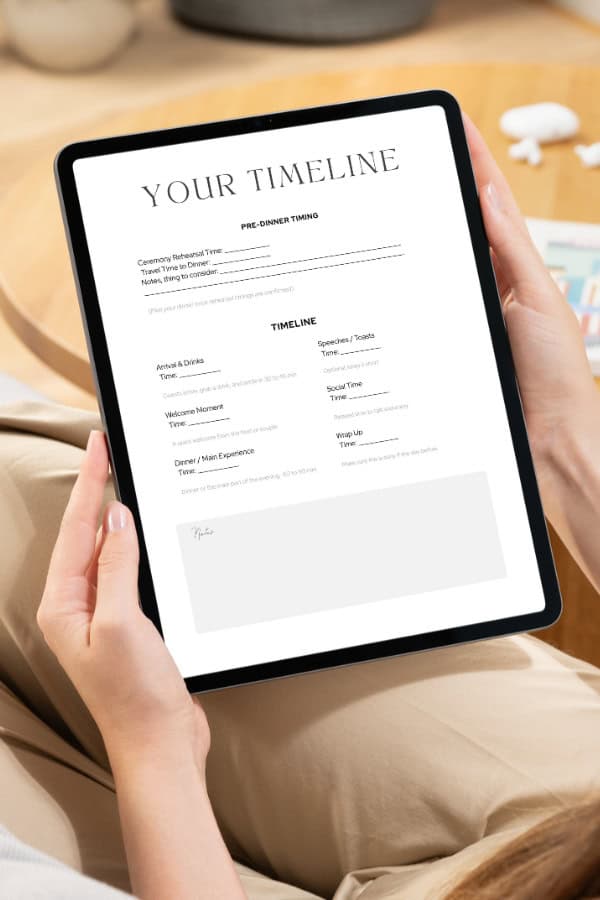
Sample Run of Show
A clear structure helps the evening flow naturally.
Begin with a short welcome and allow time for mingling. Thirty minutes for drinks and conversation works well.
Guide guests to their seats once everyone has arrived. Clear direction avoids confusion and keeps the tone organised.
Dinner service follows. Keep the pacing comfortable but not overly long.
Toasts usually happen either between courses or after the main meal. Limit the number of speakers and keep each toast concise.
End with closing remarks, often from the couple, thanking everyone for being part of the weekend.
The entire evening typically runs two to three hours. Long enough to feel meaningful, short enough that everyone leaves rested for the wedding day.
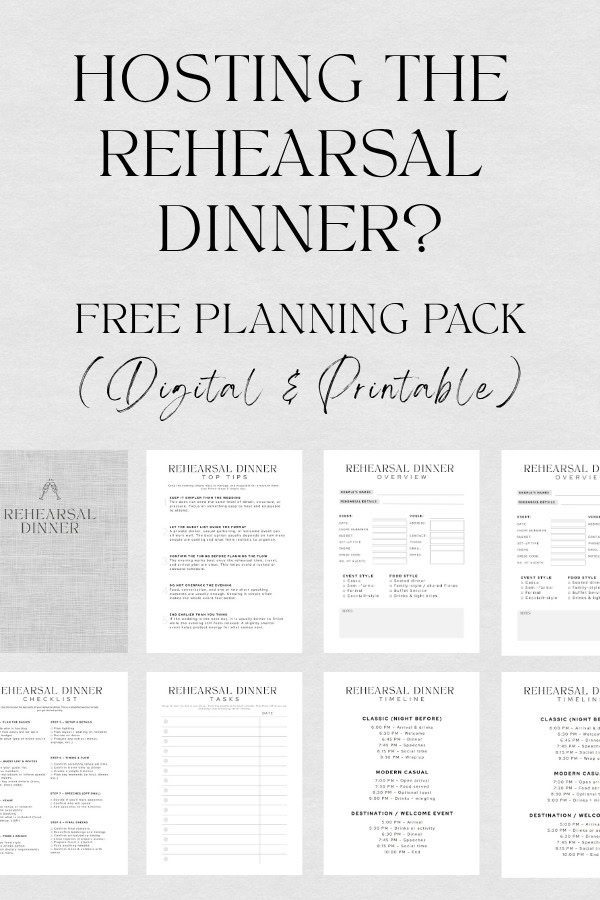
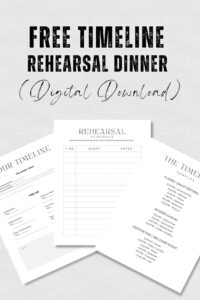
Head to out rehearsal dinner timeline post more tips and freem template.
Seating and Guest Flow
Thoughtful seating prevents awkward moments and keeps the energy positive.
Using place cards removes uncertainty at the start of dinner and helps guests settle quickly. It also allows you to plan seating strategically.
Seat immediate family and the wedding party close to the couple. This keeps conversation natural and avoids constant reshuffling.
Clearly communicate dietary restrictions to the venue in advance. Confirm these details the week before the event.
If there are sensitive family dynamics, plan seating carefully. Separating individuals who may not get along can quietly prevent tension. The rehearsal dinner is not the place to test unresolved relationships.
When the structure is clear and expectations are realistic, planning becomes straightforward. Keep it organised, keep it warm, and keep it manageable.
Giving a Memorable Toast as a Mom
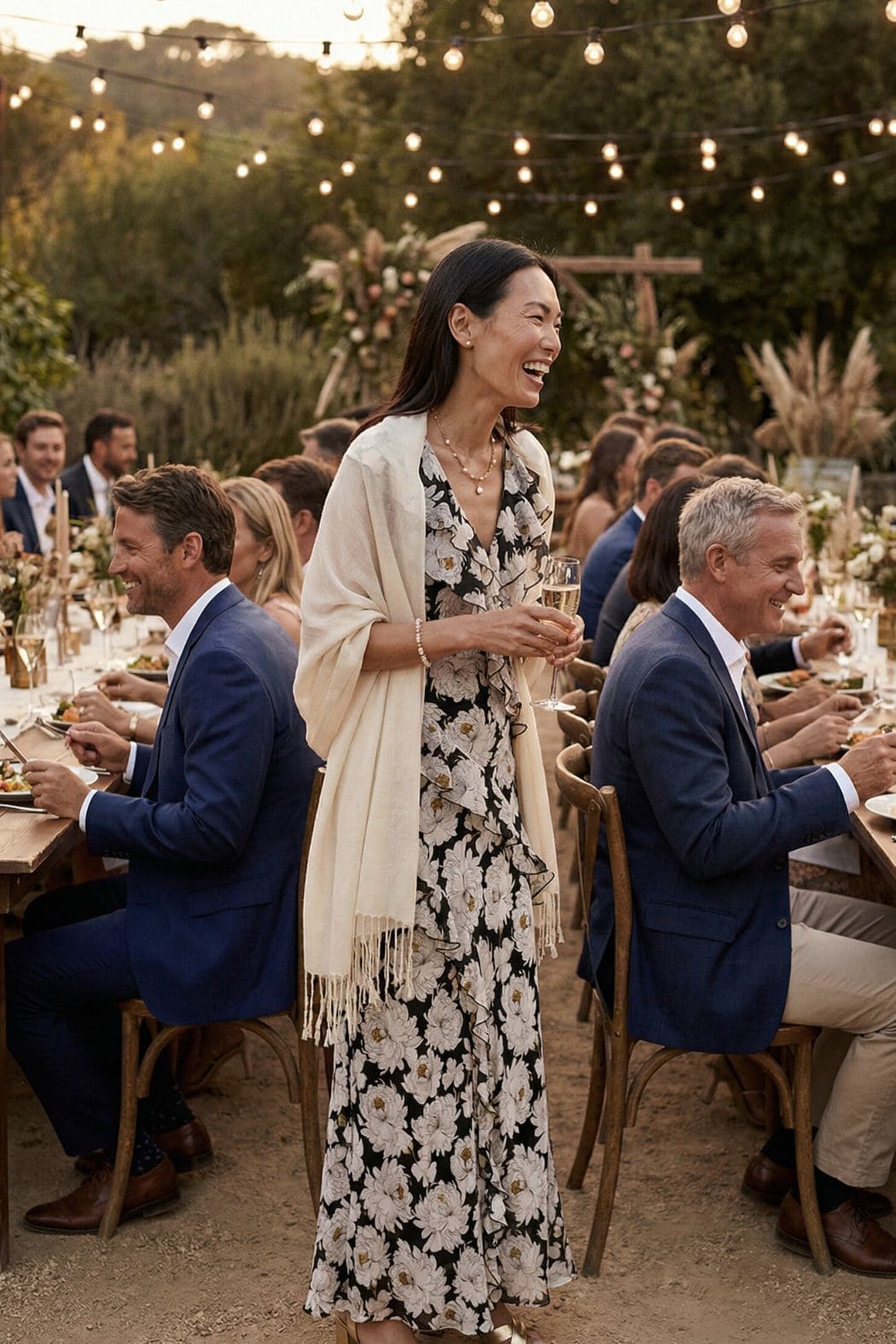
The rehearsal dinner is often the most natural place for a mother to speak.
It is more intimate than the wedding reception, the room is smaller, and the atmosphere is relaxed.
That makes it the perfect moment for something sincere and personal.
Ideal Length
Keep your toast between 60 and 90 seconds.
That may sound short, but it is the ideal length. Long enough to say something meaningful, short enough to hold everyone’s attention. A focused message will always feel more confident than a rambling one.
A Simple Structure
You do not need a complicated speech. A clear structure keeps you grounded.
Start with a brief introduction. Even if most guests know you, it helps frame your role and your connection to the couple.
Share one meaningful story or reflection. Choose something that highlights character, growth, or the couple’s relationship. One story is enough.
Offer your hopes for their future. Keep it forward looking and positive.
Simple. Warm. Direct.
What to Avoid
Avoid anything that could embarrass the couple. Childhood stories that once felt funny may not land well in a room full of guests.
Avoid mentioning wedding stress, family disagreements, or how long the planning process has been. This is a celebration, not a recap of challenges.
Avoid inside jokes that only a few people understand. The room should feel included.
Speaking Tips
Speak slowly. Nerves tend to speed people up.
Hold the microphone close and steady if one is provided. Confirm in advance that the venue has a microphone if your group is larger.
Use short notes rather than reading from a full script. Glance down when needed, but look up to connect with the couple and the room.
Take a breath before you begin. The pause feels longer to you than it does to everyone else.
End with a Clear Toast
Do not let the speech trail off. Finish with a direct invitation to raise a glass.
End with something clear and simple such as wishing them a lifetime of partnership, laughter, and strength together. Then confidently say, “Please join me in raising a glass to…” and name the couple.
A rehearsal dinner toast is not about performance. It is about presence. Speak from a place of pride and warmth, and that will always be enough.





What to Wear to the Rehearsal Dinner
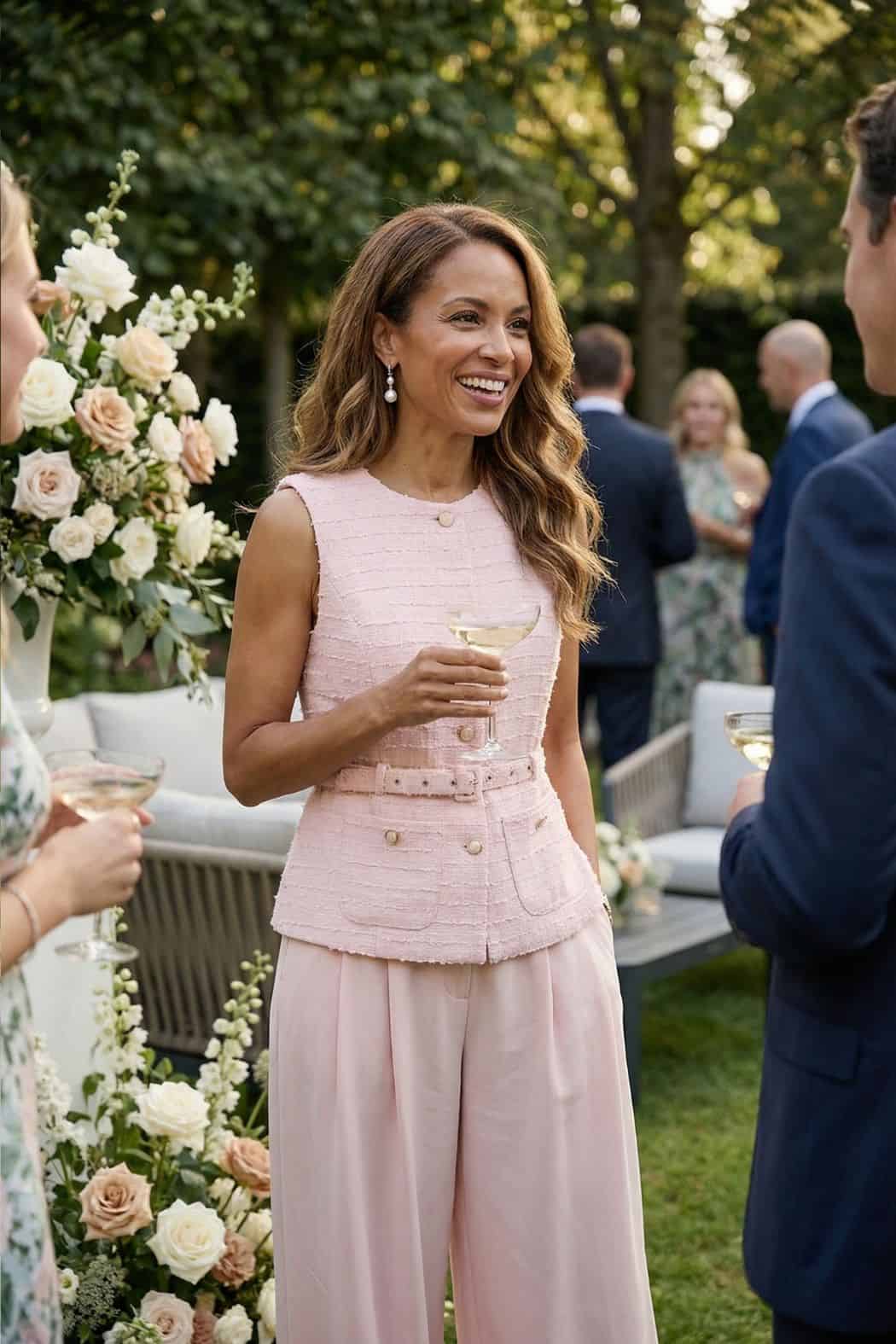
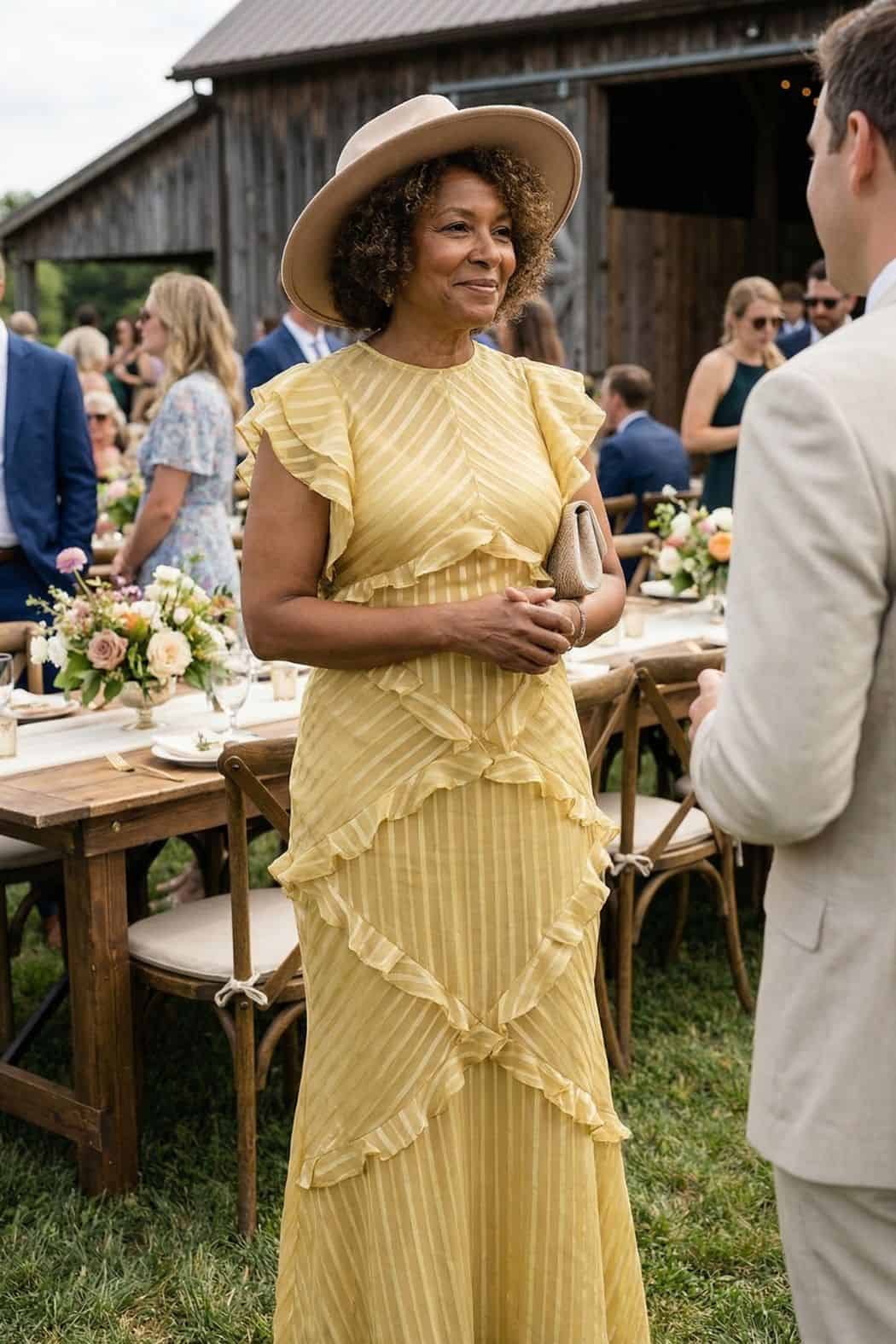
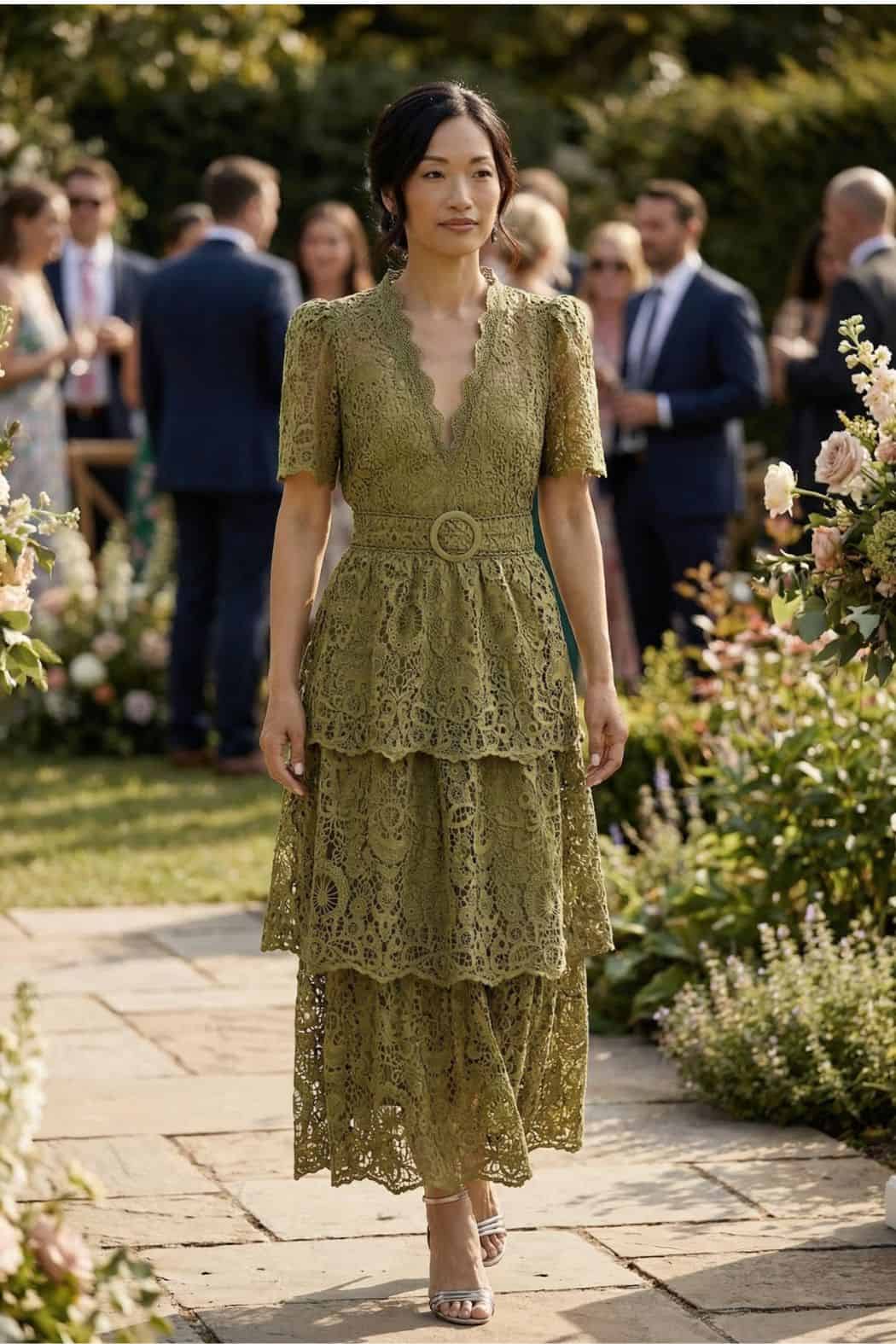
The rehearsal dinner is often your first public appearance of the wedding weekend. You will be greeting guests, possibly hosting, and likely photographed.
The outfit should feel polished, confident, and clearly “mother of the bride” or “mother of the groom” without overshadowing the wedding day.
Matching the Formality
As a general rule, dress slightly below the wedding’s level of formality.
If the wedding is black tie, a refined cocktail dress, elegant midi dress, tailored trouser suit, or a structured modern co ord works well.
For a formal but not black tie wedding, a midi dress, wide leg trousers with a silk blouse, or a sleek jumpsuit feels appropriate.
For a more relaxed or destination wedding, a sophisticated sundress, soft tailoring, or an elevated two piece set keeps things stylish without feeling overdone.
The key is cohesion. Your rehearsal dinner look should complement the wedding aesthetic, not compete with it.
Comfort and Practicality
You may be standing for long periods, moving between tables, or managing small details. Choose shoes you can confidently walk and stand in. This is not the night to break in brand new heels.
Make sure your outfit allows for easy movement. Structured but restrictive clothing can become uncomfortable quickly, especially if you are greeting guests or helping coordinate.
Remember that photos will be taken. Choose fabrics that drape well and avoid anything overly sheer or prone to creasing. A structured silhouette often photographs more cleanly than very soft, clingy materials.
Seasonal Outfit Ideas
For spring and summer, lighter fabrics such as chiffon, crepe, silk blends, or linen work well. Soft florals, muted pastels, navy, soft green, or elegant neutrals are safe choices that feel celebratory without leaning bridal.
For autumn and winter, richer fabrics such as velvet, heavier crepe, satin, or structured knits feel appropriate. Deep tones like emerald, burgundy, navy, plum, or classic black with statement accessories can look refined and timeless.
What to Avoid
Avoid white, ivory, or anything that reads bridal in photographs.
Avoid wearing your wedding day outfit if you are planning a separate look. The rehearsal dinner should feel distinct.
Avoid dressing significantly more casually or more formally than the couple intends. Being noticeably overdressed or underdressed can feel uncomfortable in photos and in person.
The rehearsal dinner outfit sets the tone for the weekend. Choose something that feels confident, comfortable, and unmistakably you.
Working with Vendors and Final Checks
• Confirm timing one week prior. Reconfirm arrival time, final guest count, seating setup, and when speeches will take place.
• Confirm payment and gratuity. Clarify how the final bill will be handled and whether service charge is included. Avoid end of evening confusion.
• Check microphone availability. If the group is larger, ensure there is a microphone or small speaker so toasts can be heard clearly.
• Confirm cake or dessert handling. Ask about storage, plating, cutting fees, and who will serve it if you are bringing something in.
• Reconfirm dietary requirements. Double check allergies and special requests a few days before the event. Ensure the venue has them clearly noted.
• Have a weather backup plan. If any portion is outdoors, confirm an indoor alternative in case conditions change.
How to Keep the Evening Warm and Stress Free
• Focus on connection, not production. Guests will remember the atmosphere, not the details.
• Keep speeches short. Limit speakers and aim for concise, heartfelt toasts.
• Accept small imperfections. Minor delays or hiccups are normal and rarely noticed by guests.
• Remember the purpose. This is a welcome gathering before the wedding day, not a second reception or performance.

More blogs you will love!
- Fall Rehearsal Dinner & Wedding Welcome Party Ideas

- Fall Mother of the Bride Dresses: Warm, Rich, and Beautiful
- Modern Fall Mother of the Bride Dress for 2026 weddings

- What to Wear to a Rehearsal Dinner as a Guest (2026 Guide)

- A Mother’s Guide to Rehearsal Dinner Attire (Modern, Stylish + Actually Helpful)

- Rehearsal Dinner Menu Ideas That Keep Things Simple but Stylish

- Who Hosts the Rehearsal Dinner? (Modern Guide for 2026 Weddings)

- The Ultimate Rehearsal Dinner Checklist (with free checklist)

- Rehearsal Dinner on the day Timeline With Examples & FREE TEMPLATE

This is a truly well-written and informative article.
Thank you!