
Getting married does not just change two people’s lives. It shifts family dynamics as well.
Your son’s partner is often trying to build a relationship with you while managing wedding planning, new expectations, and a lot of pressure at the same time.
That means some of the most important things go unsaid. Not because they do not matter, but because saying them can feel awkward, ungrateful, or risky.
This is not about calling out behaviour. It is about the quieter things that make a relationship feel easier, more comfortable, and more natural from the start.
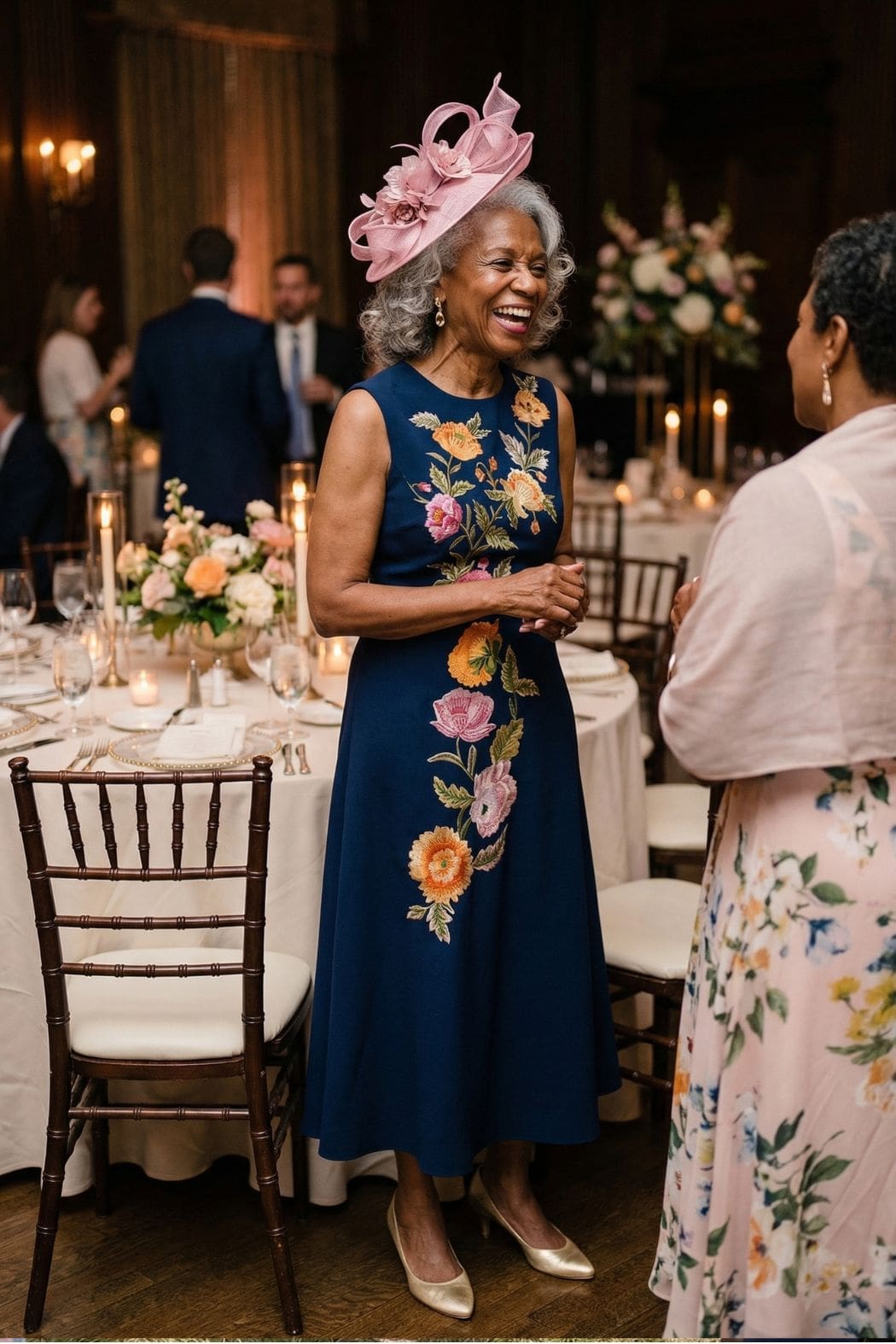
The Things They’re Too Polite to Ask You
“Please let us build this in our own way”
Every couple is trying to create something that feels like theirs.
That includes:
- how they plan their wedding
- how they organise their home
- how they spend time together
- how they approach money, traditions, and family involvement
Tension often comes from unspoken expectations about how things “should” be done.
It can feel like:
- decisions are being quietly judged
- there is a correct way they are not quite meeting
- they are being guided back to something more familiar
The reality is not rejection. It is independence.
What helps is allowing space without constant correction or comparison. Even well-meant comments can make it harder for them to feel confident in their choices.
“Please make me feel welcome, not just included”
Being invited into a family is not the same as feeling comfortable in it.
Inclusion is:
- being invited to events
- being added to plans
- being present in conversations
Feeling welcome is more subtle:
- being spoken to directly, not through your son
- being acknowledged in conversations
- being asked about their opinions or experiences
- being treated as someone who belongs, not someone new
Small things matter here. Tone, eye contact, warmth, and effort go much further than formal gestures.
If someone feels like they are being “fitted in,” they will stay slightly guarded. If they feel genuinely welcomed, they relax much faster.
“Please don’t put me in a position where I have to guess”
Unclear expectations create tension quickly.
They may not know:
- how involved you want to be in planning
- whether you expect updates
- whether certain traditions matter deeply to you
- whether silence means approval or disapproval
This leads to second-guessing everything.
Clarity removes that pressure.
That can look like:
- saying directly what matters to you
- being clear about what you do not need
- letting them know if you prefer to be included or are happy to step back
It is much easier to meet expectations when they are visible.
“Please respect that we are a package now”
Your relationship with your son is still important. That does not change.
What does change is how decisions and communication work.
Support for your son now sits within his partnership, not separately from it.
Tension often shows up when:
- conversations happen with him that exclude their partner
- decisions are treated as if they should still go through you first
- one person is seen as the “main” connection
What helps is simple:
- speak to both of them
- treat decisions as joint, not individual
- avoid creating situations where one person is put in the middle
It creates a much more stable dynamic from the start.
“Please do not compare me to anyone”
Comparisons are often casual, but they land strongly.
This could be:
- an ex-partner
- a sibling’s partner
- a friend’s daughter-in-law
- even a past version of how you imagined this role
Even positive comparisons can feel like a standard to meet.
Examples that often do not land well:
- “She always used to…”
- “Your brother’s partner handled this differently”
- “I thought it would be more like…”
What helps is treating the relationship as its own thing.
No comparison means no invisible benchmark to measure against.
“Please do not confuse advice with support”
Advice often comes from a good place. The issue is how often and how directly it is given.
During wedding planning especially, frequent suggestions can feel like:
- decisions are being corrected
- they are being guided toward a “better” version
- they are not quite getting it right
Support feels different.
Support is:
- being available if asked
- offering input lightly, not repeatedly
- accepting decisions once they are made
A useful check is whether your input changes anything practical. If it does not, it is likely adding pressure rather than helping.
“Please talk to me like I belong here too”
Being treated as part of the family also means being communicated with directly.
This can show up in everyday ways:
- conversations happening through your son instead of with both of you
- messages or updates not including them
- decisions being discussed as if they are not equally involved
What helps is simple and practical:
- include them in messages and plans
- speak to them directly in conversations
- acknowledge them as an equal part of the couple
It signals respect without needing to say it out loud.
“Please do not make every difference feel personal”
Couples often do things differently now.
That might include:
- non-traditional wedding choices
- different approaches to family roles
- new ways of spending holidays
- different communication habits
These choices are not usually meant as rejection.
They are about building something that fits their life.
When every difference is treated as personal, it creates pressure to justify or defend decisions that are simply preferences.
What helps is assuming neutrality first.
Different does not mean disrespectful.
“Please do not make me feel judged when I am still finding my place”
There is a period where everything is new.
They are learning:
- family dynamics
- personalities
- traditions
- what is expected and what is not
During that time, even small reactions can feel amplified.
That includes:
- comments about choices
- tone of voice
- facial expressions
- side remarks
What helps is patience.
People settle into families at different speeds. A little space and understanding make that process much smoother.
“Please do not make me manage everyone else’s feelings”
Weddings especially can place a lot of emotional responsibility on the couple, often without it being acknowledged.
This can include:
- keeping family members happy
- balancing expectations
- handling requests and adjustments
- smoothing over tension
From the outside, everything can look calm. Internally, it can feel like constant pressure.
What helps is not adding to that load.
That means:
- avoiding putting them in the middle of issues
- not asking them to fix or manage other people
- not expecting them to prioritise everyone equally in every moment
Reducing emotional pressure is one of the most supportive things you can do.
“Please make room for boundaries without taking them personally”
Boundaries now often look different to older expectations.
They might include:
- wanting private time as a couple
- replying less frequently
- sharing fewer planning details
- making decisions without wider input
These are not signs of distance. They are signs of building a relationship.
When boundaries are taken personally, they become harder to maintain.
What helps is recognising them as normal.
They are not about shutting you out. They are about creating space for the couple to function independently.
“Please let the relationship grow naturally”
Not every close relationship forms instantly.
There can be warmth, respect, and effort without immediate closeness.
Trying to force:
- constant contact
- instant familiarity
- quick emotional closeness
can sometimes have the opposite effect.
What helps is allowing the relationship to develop over time.
Consistency, ease, and mutual respect tend to build stronger connections than pressure to feel close quickly.
Where These Feelings Often Show Up First
These dynamics usually become noticeable in very practical situations.
Common areas include:
- wedding planning conversations
- guest list decisions
- family traditions and roles
- financial contributions
- communication style and frequency
- holidays, visits, and future plans
These are not just logistics. They are where expectations and emotions meet.
What Helps More Than People Realise
Small shifts make a big difference.
- a warm, natural welcome without overdoing it
- clear expectations instead of mixed signals
- treating the couple as a unit in conversations and decisions
- offering advice lightly, not repeatedly
- allowing space for the relationship to develop over time
- focusing on support rather than evaluation
None of this is complicated, but it changes how the relationship feels very quickly.
The Wedding-Day Version of All This
By the wedding day, most people are not looking for perfection.
They are looking for ease.
A sense that everyone is on the same side.
A feeling that nothing needs to be managed or navigated.
An atmosphere that feels calm, supportive, and uncomplicated.
What people remember is not the exact words or details.
It is how the day felt around them.
And that is shaped just as much by the relationships in the room as the wedding itself.
More blogs you will love!
- Fall Mother of the Bride Dresses: Warm, Rich, and Beautiful

- Modern Fall Mother of the Bride Dress for 2026 weddings

- A Mother’s Guide to Rehearsal Dinner Attire (Modern, Stylish + Actually Helpful)

- Unique Gifts for the Mother of the Groom She’ll Actually Love

- Meaningful Mother of the Bride Gift Ideas She’ll Actually Treasure

- 20+ Elegant Half-Up Hairstyles for Mothers of the Bride

- Mother of the Bride dresses under $150/£100, but you wouldn’t know!

- Stylish Trouser Suits For The Modern Mother Of The Bride and Groom

- 12 Shot List Photos for the Mother of the Groom


I feel like many partners end up keeping their thoughts to themselves. Did you find any surprising questions from son’s partners in your research?