
Taco bars have become a go-to wedding food option for couples who want something relaxed but still intentional.
When planned properly, they feel generous, interactive, and fun without tipping into casual or chaotic.
The key is treating the taco bar like a core part of your reception rather than an add-on.
This guide covers taco bar ideas, practical planning advice, and the things couples often overlook until it’s too late.
Why Taco Bars Work So Well at Weddings
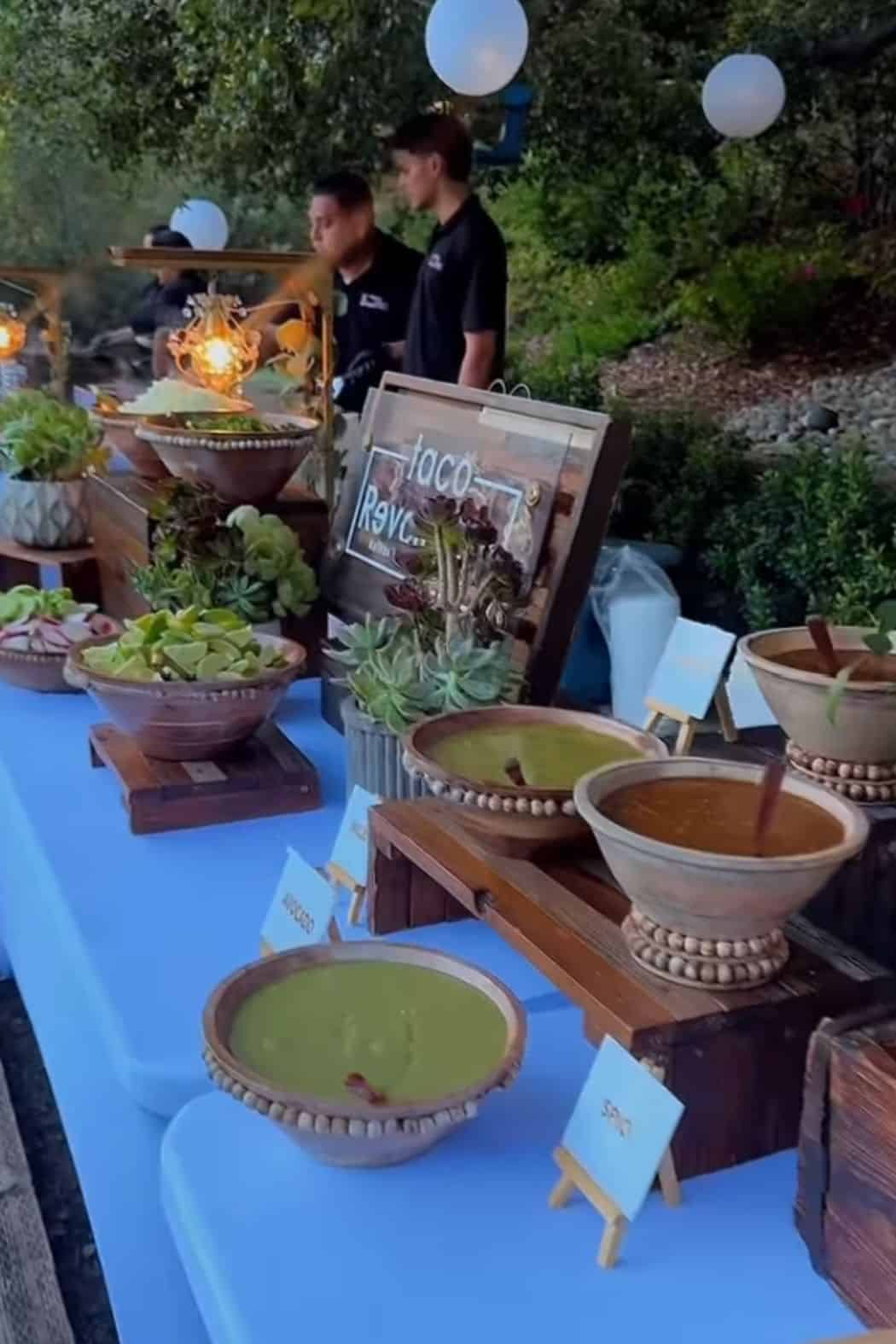
Tacos strike a balance that a lot of wedding food struggles with. They’re familiar enough that guests immediately understand them, but flexible enough to suit a wide range of tastes and dietary needs. Taco bars also work across different wedding styles, from modern city venues to outdoor celebrations and relaxed evening receptions. They encourage movement and conversation, which suits weddings where atmosphere matters more than formal courses. When done well, they feel generous rather than gimmicky, which is why guests tend to remember them positively.
When a Taco Bar Works Best During the Wedding Day
Timing has a big impact on how successful a taco bar feels. As a main meal, taco bars need to be filling, well staffed, and served at a clear pause in the day so guests aren’t juggling food and drinks while trying to mingle. As evening food, tacos work particularly well once dancing starts and guests want something substantial without sitting back down. As a late-night option, smaller tacos with fewer toppings tend to be more popular and easier to manage. Deciding on timing early helps determine portion sizes, menu complexity, and whether you need chefs serving throughout.
Taco Bar Styles to Consider
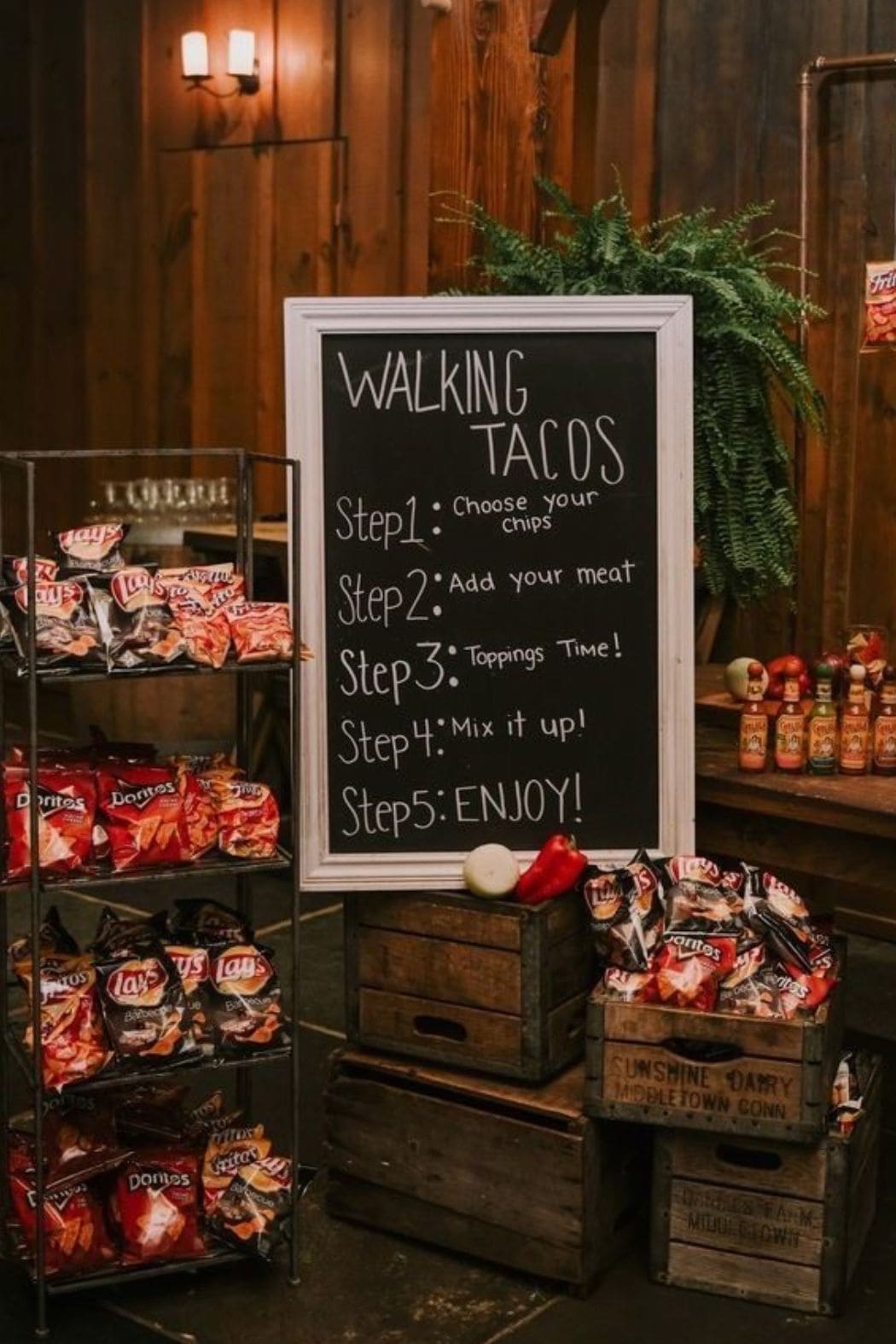
There are a few common ways taco bars are set up at weddings. Build-your-own taco stations allow guests to customise their food, but they need careful planning to avoid long queues and messy setups. Chef-served taco stations move faster and feel more polished, especially for larger guest counts, but offer less personalisation. Some couples opt for pre-built tacos with a limited number of combinations, which keeps things simple while still offering choice. The best option depends on guest numbers, venue space, and how relaxed or structured you want the service to feel.
Building the Taco Bar Menu
Menu planning is where taco bars succeed or fall apart. Fewer, well-chosen options nearly always work better than an overwhelming spread.
Tortillas are the foundation. Corn tortillas are naturally gluten-free and have a traditional feel, while flour tortillas tend to be softer and more familiar to some guests. Offering both works well for larger weddings, but for smaller guest lists, choosing one and doing it well keeps things streamlined. Soft tortillas generally work better than crispy shells for weddings, as they’re easier to eat standing up and less prone to breaking.
Protein choices should be limited but thoughtful. Two to three options usually cover most preferences. Slow-cooked meats, grilled chicken, or spiced mince tend to hold up better than delicate options. Plant-based proteins like spiced beans, roasted vegetables, or pulled jackfruit are popular even with non-vegetarian guests and help make the menu feel inclusive rather than tokenistic.
Fillings and toppings add variety, but this is where restraint matters. Guests expect basics like lettuce, cheese, and salsa, but too many extras slow the line and create mess. Pick a few toppings that complement all proteins rather than separate toppings for each option. Think freshness and texture rather than novelty.
Sauces and salsas deserve their own attention. Offering a range of heat levels is helpful, but clearly labelling spice is essential. Fresh salsas tend to be popular earlier in the evening, while creamier sauces work well later when guests want something richer. Keep sauces contained and easy to serve to avoid spills and bottlenecks.
Catering for Dietary Requirements Without Overcomplicating Things
Taco bars naturally lend themselves to different dietary needs when planned intentionally. Corn tortillas and naturally gluten-free fillings cover most gluten-free guests without extra effort. Vegetarian and vegan options work best when they feel like a main choice rather than an afterthought. Clear labelling and separate serving utensils matter more than offering completely separate stations, which can actually cause confusion.
Portions, Quantities and Guest Expectations
How much food you need depends largely on when the taco bar is served. As a main meal, guests typically eat two to three tacos per serving and may return for seconds. As evening food, smaller tacos encourage guests to snack without overfilling. Oversized tacos often slow service and create mess, while smaller tacos allow guests to try different combinations and keep queues moving.
Venue and Practical Setup Considerations
Taco bars require heat, power, and space. Some venues allow on-site cooking, while others require food to be prepared elsewhere and finished on site. Many venues insist on staffed hot food stations for food safety reasons. Outdoor taco bars need weather contingency plans, particularly for wind affecting tortillas and toppings. These practical details are worth confirming before committing to the idea.
Layout and Guest Experience
Where the taco bar sits within the venue affects how smoothly it runs. Placing it away from the bar and main dance floor helps prevent congestion. A clear serving order, usually tortillas first followed by proteins and toppings, helps guests move through confidently without needing instructions. Space for guests to step aside and assemble their tacos makes the experience feel calmer and more enjoyable.
Styling a Taco Bar So It Feels Intentional
A taco bar doesn’t need to be themed to look good. Clean table linens, consistent serving dishes, and simple signage go a long way. Wooden boards, neutral bowls, and minimal décor help the station feel like part of the overall wedding design rather than temporary catering. Garnishes displayed neatly and quality containers make a noticeable difference.
Signage That Actually Helps Guests
Guests want to know what they’re choosing quickly. Clear labels for proteins, sauces, and dietary information reduce hesitation and speed up service. Spice indicators are particularly helpful. Decorative signs with long descriptions tend to slow things down, so clarity should always come first.
Common Taco Bar Mistakes Couples Make
Offering too many choices is one of the biggest issues. It slows service and overwhelms guests. Underestimating how hungry guests will be can leave stations empty too early, while serving tacos too early can mean food sits out longer than ideal. Sauce management and mess are often overlooked, especially for late-night taco bars where lighting is lower and guests are more relaxed.
Is a Taco Bar Right for Your Wedding
Taco bars work best for couples who prioritise atmosphere, guest comfort, and flexibility over formality. When planned properly, they feel generous, social, and memorable rather than casual. As with any wedding food choice, the key is matching the setup to your venue, your guest list, and the flow of your day.
More blogs you will love!
- 30 Unique Wedding Ideas Trending in 2026

- Alternative Wedding Towers (Beyond Champagne)

- Taco Bar Wedding Ideas & How to Plan One

- Pasta Station Wedding Ideas & How to Plan One
- Wedding Snack Bar Ideas You’ll Wish You’d Thought Of First

- Unique Wedding Food Ideas for 2026 Weddings!

- Late-Night Wedding Snack Ideas That Actually Keep the Party Going
- Wedding Food Station Ideas Everyone Will Be Talking About

- Wedding Cake Alternative, Ideas for Skipping the Wedding Cake in 2026